Key Takeaways
A flower crown can be romantic, playful, understated, or wonderfully dramatic. The best choice depends on the event, your outfit, the materials, and how comfortably it will sit for several hours.
- Match the crown’s scale and materials to the occasion.
- Choose colors that complement your outfit rather than competing with it.
- Compare providers by portfolio, construction, customization, and timing.
- Measure carefully and choose a closure that stays comfortable.
- Keep fresh crowns cool and preserve dried or artificial designs gently.
Understand the occasion and flower crown style
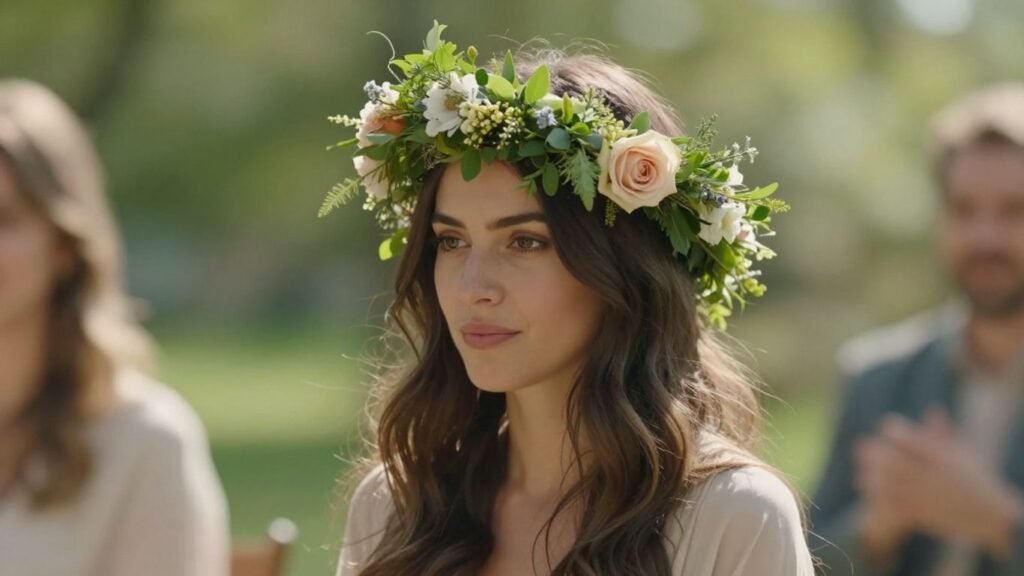
A flower crown sets a mood before anyone notices the individual blooms. For a wedding, it may echo the bouquet; for a festival, it can be oversized and colorful; for a photoshoot, an unusual shape may work beautifully. Start with the feeling you want the crown to create, then decide how much visual space it should occupy.
Matching the crown to weddings, festivals, and photoshoots
Weddings usually suit balanced shapes and flowers that connect with the bridal bouquet, bridesmaid arrangements, or venue décor. A festival crown can be looser and more expressive, with contrasting colors or sweeping greenery. For portraits, think about the camera angle: flowers concentrated near one temple can frame the face without hiding it.
Choosing between fresh, dried, and artificial flowers
Fresh flowers have fragrance, softness, and a naturally luminous appearance, but they need careful handling and may wilt in heat. Dried flowers offer texture and a longer life, while artificial flowers are practical for repeated wear or unpredictable weather. A dried design such as this red autumnal flower crown can also provide inspiration for richer, seasonal palettes.
Selecting a full crown, half crown, or floral hairpiece
A full crown circles the head and creates the strongest statement, while a half crown often feels lighter and can be pinned into loose hair. A floral hairpiece is the most restrained option, especially when you want the flowers to appear from one side in photographs. Consider your hairstyle, veil, hat, or earrings before committing to a shape.
Choose flowers that suit your look
Color is only one part of a successful crown. Flower size, surface texture, greenery, and the distance between blooms all affect how the design reads in person and on camera. If you are planning a flower crown Altona event look, bring a fabric swatch or a clear outfit photograph when discussing the design.
Coordinating colors with your outfit and event theme
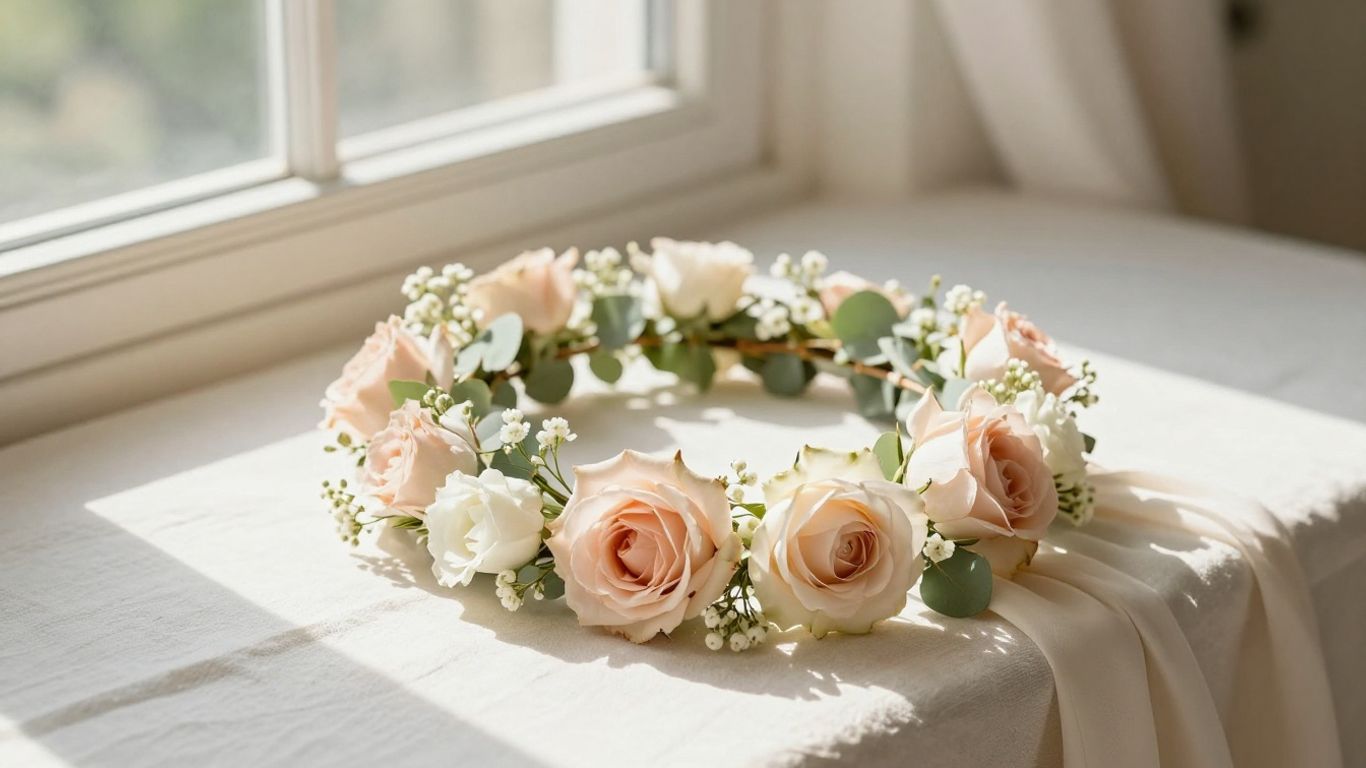
Begin with the dominant color in your clothing, then add one or two supporting shades. Soft blush, cream, and eucalyptus green create a quiet romantic effect, while coral, cobalt, yellow, or plum give a crown more energy. Neutral flowers can bridge several colors, which is useful when the event palette includes both warm and cool tones.
Combining focal flowers, filler blooms, and greenery
Focal flowers provide the visual anchors, filler blooms soften gaps, and greenery gives the eye a place to rest. A crown becomes more natural when these layers vary slightly in height rather than forming a perfectly flat ring. You can also look at a flower pounding workshop for ideas about the shapes, leaves, and organic textures that make floral work feel less uniform.
Considering seasonal availability and flower durability
Seasonal flowers are often easier to source and can make the crown feel connected to its setting. Ask which blooms will tolerate the expected temperature, sunlight, and length of wear before finalizing the design. This simple comparison can help narrow the choice:
| Flower crown material | Visual character | Main planning consideration |
|---|---|---|
| Fresh flowers | Soft, fragrant, luminous | Hydration and heat exposure |
| Dried flowers | Textured, muted, lasting | Fragility during transport |
| Artificial flowers | Consistent, reusable | Realistic finish and weight |
| Preserved flowers | Delicate, long-lasting | Moisture and storage conditions |
The prettiest flower is not always the most practical one for your event. Choose a material whose care requirements fit the day, so you can enjoy the crown instead of monitoring it constantly.
Find a flower crown provider in Altona
Finding the right local maker involves more than choosing the first attractive photograph. Look for someone who understands headwear construction, can explain material choices, and is willing to discuss your event in detail. A good conversation should leave you with a clear design direction, approximate cost, and realistic completion date.
Comparing florists, makers, and workshop options
Florists may be especially helpful when the crown needs to coordinate with bouquets or larger arrangements. Independent makers can offer more experimental shapes and dried designs, while workshops suit people who want to build the piece themselves. For wedding inspiration, a gallery of wedding flowers can help you identify colors and floral styles before contacting a crown provider.
Reviewing portfolios, materials, and customization services
Study finished crowns from several angles, not just tightly cropped front views. Ask whether the examples use fresh, dried, preserved, or artificial materials, and whether the maker can adjust flower placement, greenery, color, or closure style. A useful portfolio shows variety while still revealing a consistent standard of construction.
Search results can also contain unrelated local pages, so check the service description before sending an inquiry. You may encounter a real estate brokerage guide, an MLS laser therapy clinic guide, TMJ and Sleep Disorders of Michigan, or Lavender Laundry; none of those pages substitutes for a florist or floral maker’s portfolio. The practical test is simple: does the provider show actual crowns and explain how they are made?
Asking about local pickup, delivery, and ordering timelines
Give the provider your event date, location, preferred pickup window, and whether the crown must travel before use. Ask when the final design will be confirmed, how changes are handled, and whether delivery includes protective packaging. For a custom fresh crown, earlier communication is usually safer because flower availability and preparation time can change.
A short ordering checklist keeps the conversation focused:
- Share the event date and start time.
- Send outfit, bouquet, or color references.
- Confirm the crown material and approximate size.
- Ask about pickup, delivery, and packaging.
- Agree on the final price and approval date.
Once those details are settled, you can judge providers on clarity as well as style. Reliable communication is part of the finished experience, particularly when the crown is tied to a wedding or milestone occasion.
Plan the right fit and construction
Even a beautiful crown will be disappointing if it pinches, slips, or feels heavy after an hour. Fit should be discussed as early as color and flowers, especially if you plan to wear the crown while moving, dancing, or posing outdoors. A few small construction choices can make the difference between adjusting it all day and forgetting it is there.
Measuring your head for a comfortable fit
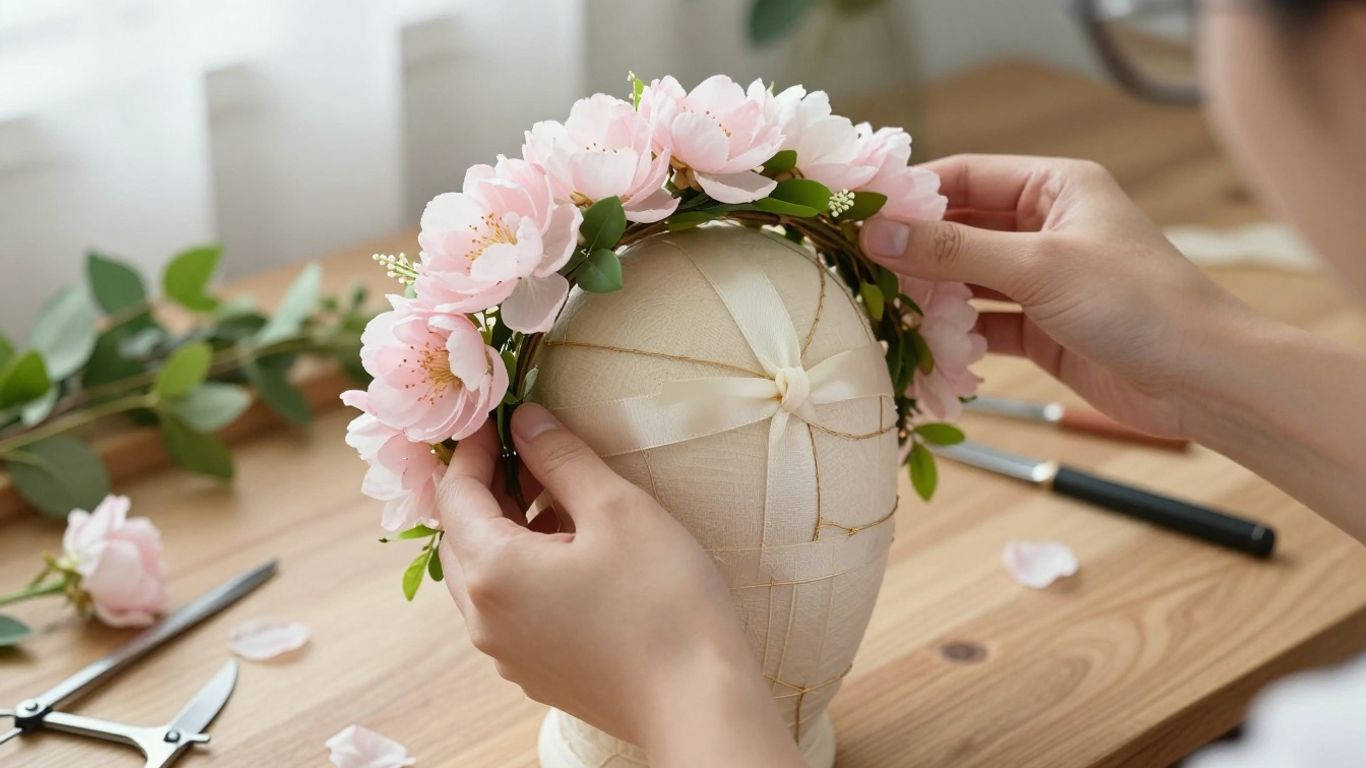
Use a soft measuring tape around the part of your head where the crown will sit, usually across the forehead and around the widest point at the back. Keep the tape comfortably close without pulling it tight, then repeat the measurement once to check it. If you will wear the crown over thick braids or a voluminous style, mention that before the crown is made.
Choosing adjustable wire, ribbon, or elastic closures
Wire can create a clean, structured fit, while ribbon allows more adjustment and adds a visible romantic detail. Elastic may be discreet and easy to use, though it should not be so tight that it causes pressure behind the ears. Ask how the closure will interact with pins, curls, veils, and any movement planned for the event.
Balancing weight, shape, and wearability
Place heavier blooms near the strongest part of the structure and avoid concentrating too much weight at the front. A slightly asymmetrical crown may distribute flowers more comfortably while giving photographs a pleasing silhouette. Try the finished piece with your intended hairstyle before the event, and walk around in it long enough to notice small pressure points.
Design a flower crown for a specific event
The event gives you a useful design brief: romantic wedding crowns, lively party crowns, and formal portrait pieces each need a different level of contrast and ornament. Think about the surroundings as well as the outfit. A crown that looks perfect against a plain studio background may disappear in a garden or feel too loud in a formal room.
Creating a romantic wedding crown
For a wedding, begin with the bouquet, dress texture, and ceremony setting. Small roses, delicate filler, restrained greenery, or softly trailing flowers can create a romantic result without overwhelming the face. If the bouquet is already elaborate, a simpler crown often looks more intentional than repeating every flower at full scale.
Building a bold festival or party crown
A festival crown can carry stronger color, larger blooms, ribbons, feathers, or unusual foliage, provided the structure remains secure. Choose flowers that will not bruise easily if you expect heat, crowds, or dancing. A bold design works best when one feature leads and the rest of the materials support it rather than competing for attention.
Styling a subtle crown for portraits or formal occasions
For portraits or formal occasions, use a narrow half crown or a compact hairpiece positioned beside the face. Pale blooms, fine greenery, and a limited color range keep the result elegant and leave room for the expression, neckline, and jewelry to remain visible. Pin it firmly, but leave enough softness that the hair still looks natural.
Care for your flower crown before and after the event
Care begins as soon as the crown is collected. Fresh flowers need protection from heat and dehydration, while dried and artificial materials are more vulnerable to crushing, dust, and moisture. Plan where the crown will wait, how it will travel, and what you will do with it afterward.
Keeping fresh flowers hydrated and cool
Keep a fresh crown in a cool place away from direct sunlight, heaters, and hot car interiors. If the construction allows it, lightly misting the stems or using the maker’s recommended hydration method can help, but avoid soaking petals or delicate dried elements. Follow the provider’s specific instructions because different flowers respond differently to water and temperature.
Transporting the crown without damaging it
Carry the crown in a rigid box with tissue or soft packing around, not pressed against, the flowers. Keep the box level and avoid leaving it under luggage or in a warm trunk. Open the container shortly before wearing it so you can check for loose stems, bent wire, or flowers that need gentle repositioning.
For a visual guide to arranging and wearing floral pieces, this video placeholder may be useful alongside the written steps:
After the event, return the crown to its box rather than leaving it on a chair or dressing table. That small habit protects the shape while you decide whether to preserve, recycle, or store it.
Preserving dried or artificial flowers as a keepsake
Dried flowers should be stored somewhere dry, shaded, and free from sudden changes in temperature. Artificial flowers can be dusted gently with a soft brush and stored loosely so petals do not crease. If you want to preserve a meaningful crown, photograph it before packing it away and label the box with the event date and any materials you want to remember.
Conclusion
The perfect flower crown is a meeting point between personal style, practical construction, and the character of the occasion. Choose the materials thoughtfully, work with a provider who communicates clearly, and plan the fit before the flowers are attached; the result will feel beautiful because it is also comfortable and dependable.
Frequently Asked Questions
How far in advance should I order a flower crown?
For a custom crown, contacting a provider several weeks ahead gives time for design discussions, material sourcing, fitting, and adjustments. Fresh seasonal flowers may require even more notice around busy wedding dates.
Are fresh or dried flowers better for a flower crown?
Fresh flowers offer fragrance and softness, while dried flowers are easier to keep and reuse. The better choice depends on the weather, event length, desired appearance, and whether you want a lasting keepsake.
How do I stop a flower crown from slipping?
A correctly measured base, suitable closure, and discreet hairpins usually provide the most reliable hold. Test the crown with the hairstyle you plan to wear rather than adjusting it for loose hair alone.
Can I wear a flower crown with a veil?
Yes. A half crown or low-profile design often works best with a veil, and the attachment points should be planned together. Ask the maker to leave room for veil combs, pins, or other accessories.
What flowers last longest in a fresh crown?
Durability varies, but sturdy blooms and foliage generally handle wear better than very delicate petals. Your provider can recommend suitable varieties based on temperature, sunlight, and how long the crown will be worn.
How should I transport a flower crown?
Use a rigid, spacious box with soft support around the crown. Keep it level, cool, and away from heavy objects, then inspect it shortly before wearing it.
Can a flower crown be preserved after an event?
Dried and artificial crowns are usually easiest to store, while fresh flowers may be dried or pressed depending on their condition. Keep preserved pieces shaded, dry, and protected from crushing or dust.