Key Takeaways
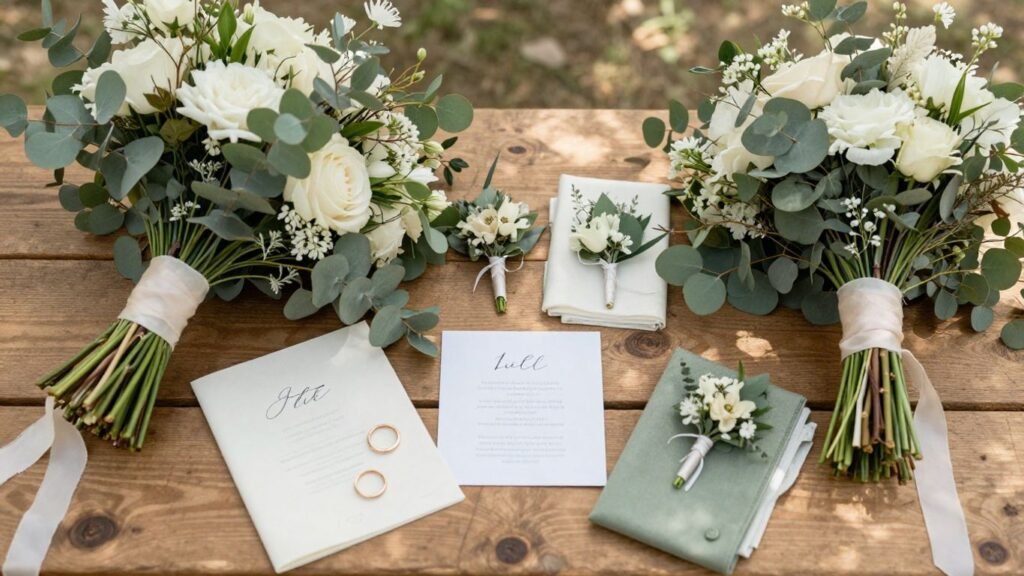
Buttonholes are small details, but they can tie a wedding party’s clothing and flowers together beautifully.
- Choose flowers that suit the season, setting, and clothing.
- Match the buttonhole loosely with the bridal bouquet rather than copying it exactly.
- Consider hardy blooms when the ceremony is outdoors or held in warm weather.
- Order enough pieces for everyone who will wear one.
- Keep the flowers cool, hydrated, and safely pinned until the ceremony.
Understanding buttonhole flowers and their role
Buttonhole flowers Hobsons Bay couples choose often do more than decorate a lapel. They provide a small, visible connection between the wedding party, the bouquet, and the wider setting. A well-made buttonhole should feel comfortable to wear and intentional without becoming the loudest detail in the outfit.
What a buttonhole flower is
A buttonhole flower is a compact floral arrangement designed to sit on the upper left side of a jacket or suit. It usually includes one focal bloom, a little foliage, and a wrapped stem or backing that makes it easier to secure. The scale matters: the design should be noticeable in photographs while remaining neat through greetings, dining, and dancing.
The difference between buttonholes and boutonnieres
In Australian usage, “buttonhole” is the familiar term, while “boutonniere” is more common in American wedding language. Both generally describe a small floral piece worn on clothing, not a larger wrist or pocket arrangement. When speaking with a florist, showing a reference image is still useful because names and proportions can vary from one supplier to another.
Who traditionally wears a buttonhole
The groom, groomsmen, fathers, and sometimes grandfathers traditionally wear buttonholes. They may also be given to a celebrant, ushers, or other people with a meaningful role in the ceremony. There is no strict rule, though, and some couples choose them for every member of the wedding party to create a more unified look.
How buttonholes complement the overall wedding style
A buttonhole can echo a wedding’s mood through color, texture, and finish. A single rose feels polished, a native-inspired piece feels relaxed, and a restrained foliage design suits a modern suit particularly well. Small details carry weight when the rest of the styling is deliberately simple, so keep the shape and finish consistent with the ceremony’s visual language.
Choosing the right flowers for your buttonhole
The best flower is not always the most delicate or expensive one. It must hold its shape, sit comfortably against fabric, and still look fresh after travel and photographs. Think about the venue, the time of year, and how long the wedding party will be dressed before making a final choice.
Popular flower choices and their characteristics
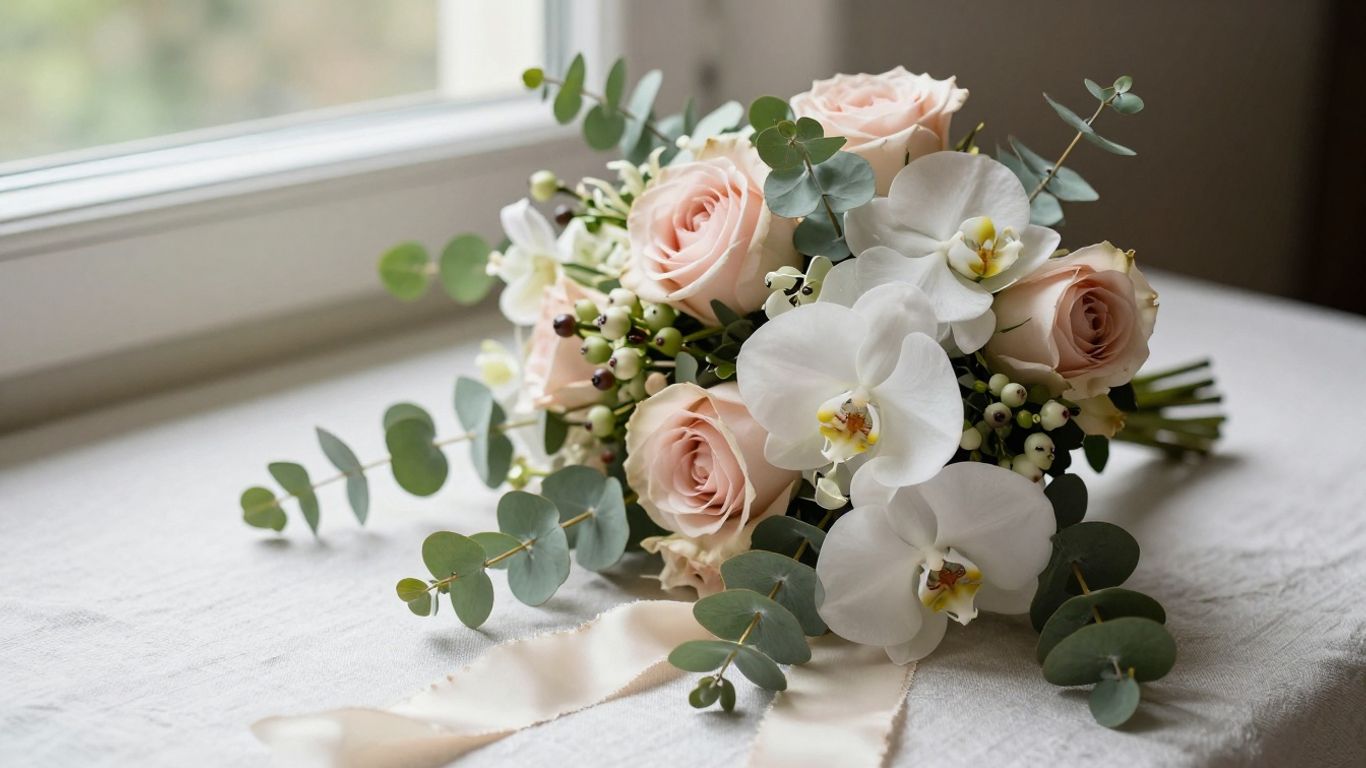
Roses, carnations, orchids, chrysanthemums, and lisianthus are common choices because they offer different shapes and levels of formality. Roses are recognisable and versatile, while carnations can be surprisingly durable and textured. Orchids bring a sculptural, contemporary note; lisianthus feels softer and more romantic. A florist can recommend a bloom that gives the desired appearance without being difficult to handle.
Seasonal flowers for Hobsons Bay weddings
Seasonal flowers can make a design feel naturally connected to its date and location. They are also often easier to source at the right quality, although availability changes with weather and growing conditions. If a particular flower is central to your vision, ask about a suitable substitute early rather than waiting until the week of the wedding.
Hardy blooms for warm or outdoor celebrations
Outdoor ceremonies call for flowers that tolerate movement, warmth, and time away from water. Succulents, chrysanthemums, carnations, orchids, and some native flowers can be practical choices, depending on the design. Avoid choosing solely by appearance; a bloom that bruises easily may look perfect at collection and tired by the reception.
Using greenery, berries, and textured accents
Foliage gives a buttonhole structure and helps it relate to a larger bouquet without requiring an identical flower. Eucalyptus, herbs, grasses, berries, seed pods, and small branches can add shape and personality. For broader inspiration, a historical flower show record can be an enjoyable reminder that floral design has long balanced color, texture, and seasonal character.
A simple selection guide can help narrow the conversation with your florist:
- Start with the suit color and fabric.
- Choose one focal flower or texture.
- Add foliage that will not shed or stain clothing.
- Confirm the design can remain fresh for the full event.
That process keeps the arrangement focused. It also makes substitutions easier if a preferred flower is unavailable.
Matching buttonhole flowers to your wedding design
Buttonholes work best when they belong to the wedding design without looking like miniature bouquets. The connection may be a shared color, a repeated foliage, or the same ribbon used elsewhere. Aim for a visual conversation between details rather than a perfect copy of every floral arrangement.
Coordinating with the bridal bouquet
The buttonhole does not need to repeat the bridal bouquet flower-for-flower. Borrowing one element, such as a rose variety, eucalyptus leaf, berry tone, or ribbon, is usually enough. If the bouquet is abundant and loose, a simpler buttonhole can provide balance; if the bouquet is minimal, a carefully chosen focal bloom may create a pleasing echo.
Complementing suits, shirts, and ties
Dark suits suit pale blooms and crisp greenery, while lighter suits can support deeper flowers or warmer foliage. Consider how the arrangement will sit against a shirt collar, tie, vest, or pocket square. The stem should not interfere with the lapel’s fold, and the overall width should remain proportional to the wearer’s jacket.
Choosing colors for formal and relaxed themes
Formal weddings often benefit from restrained palettes such as white and green, burgundy and cream, or blush with soft foliage. Relaxed celebrations can make room for terracotta, yellow, mauve, native tones, or mixed seasonal colors. A useful approach is to select a dominant color, a supporting neutral, and one small accent rather than combining every wedding color in one tiny arrangement.
Balancing contrast and visual harmony
Contrast helps a buttonhole appear in photographs, but too much contrast can make it feel detached from the outfit. A muted flower against a dark lapel may be enough, especially when the tie or pocket square already has pattern. Consider the ceremony backdrop as well: pale flowers can disappear against light walls, while very dark flowers may lose definition in evening settings.
Buttonhole styles for different occasions
There is no single correct buttonhole shape. The right style depends on the clothes, the formality of the ceremony, and how much personality the couple wants to show. Even a very traditional wedding can use a contemporary flower, while a relaxed celebration can still look refined with careful finishing.
Classic single-flower buttonholes
A single rose, orchid, carnation, or chrysanthemum creates a clean, recognisable look. It works particularly well for formal suits because the profile is narrow and the focal point is clear. A small leaf or restrained wrap is usually all that is needed to finish the piece.
Rustic and native-inspired designs
Native flowers, dried textures, seed pods, and eucalyptus can give a buttonhole a natural, Australian character. These materials suit linen, wool, tweed, and relaxed tailoring, though they can also be refined for a more formal outfit. Keep the arrangement compact so its texture feels deliberate rather than untidy.
Modern minimalist buttonholes
Minimalist designs may use one unusual bloom, a slim line of foliage, or a small cluster of tonal materials. They are effective when the clothing has a sharp cut and the couple prefers a quiet visual style. Clean wrapping and an even silhouette matter more here because there are fewer elements to disguise uneven work.
Elegant arrangements with ribbons and foliage
A narrow ribbon, velvet tie, or visible foliage wrap can introduce a little luxury without adding many flowers. Choose a finish that relates to other stationery, bouquet handles, or table details. Couples wanting a keepsake element might also create a personal wedding music video for the reception, while keeping the buttonhole styling understated so the two forms of personalisation do not compete.
The video can be useful for visual reference when discussing pin placement, flower scale, or the difference between a compact and a more textured design. Images are often easier to discuss than floral names alone.
Planning buttonhole flowers in Hobsons Bay
Local planning is mostly about clear communication and reliable timing. Share the event date, ceremony location, clothing details, and expected collection or delivery time before discussing the final stem count. A florist who understands the practical conditions can help refine the design as well as its appearance.
When to order your buttonholes
Begin the conversation several weeks before the wedding, particularly if the design uses unusual flowers, imported materials, or a large wedding party. Confirm the final quantity and colors closer to the event when guest roles and clothing are settled. The florist should also know whether the flowers need to travel to a separate preparation location.
Finding a florist near Hobsons Bay
Search for a florist serving Hobsons Bay and ask to see examples of wedding buttonholes, not only large bouquets. A consultation should cover flower availability, attachment, packaging, and delivery as well as style. Broader wedding directories can help with early inspiration; a wedding planning sitemap may also be useful when you are gathering ideas for related suppliers and décor.
Sharing your wedding colors and inspiration
Bring suit fabric samples, tie photographs, bouquet references, and a small selection of images rather than one crowded mood board. Mention colors that must be avoided, flowers that carry personal meaning, and whether the buttonholes should match or vary by role. It can help to describe the feeling in plain words—quiet, coastal, formal, earthy—before naming specific flowers.
Ordering buttonholes for the full wedding party
Make a written list of every wearer, including the groom, attendants, parents, and any other participants. Note whether anyone will wear a different suit or needs a smaller arrangement. Add one spare if the budget allows, since a backup can be reassuring when several pieces are being transported and pinned on site.
Budgeting and customizing your buttonholes
Buttonholes are small, but their price reflects more than the number of flowers. Flower variety, season, labor, wrapping, delivery, and the number of pieces all influence the quotation. Ask for a per-piece price and confirm what is included before comparing options.
Factors that affect buttonhole pricing
Premium blooms, complicated construction, preserved materials, and custom ribbon finishes can raise the cost. A larger wedding party increases the total even when the individual design is simple. Delivery and last-minute changes may also affect the quote, so request a clear breakdown rather than relying on a general floral package price.
Choosing premium or locally available flowers
A locally available flower can often provide the color and shape you want at a more manageable price. Premium flowers may be worthwhile when one distinctive bloom is central to the design, but they do not automatically create a better buttonhole. Ask what alternatives would preserve the overall look if the first choice is unavailable.
Personalizing ribbons, pins, and decorative details
Personal touches might include a ribbon in the wedding accent color, a vintage-style pin, a small charm, or a different foliage chosen for each family group. Decorative details should be secure, lightweight, and unlikely to catch on clothing. The best additions feel connected to the couple’s story rather than added simply to fill space.
Keeping the design consistent without overspending
Use one repeated element across all pieces and reserve more elaborate versions for the groom or immediate family if desired. The following comparison can make the trade-offs clearer when discussing a quote:
| Design choice | Visual effect | Budget consideration | Practical note |
|---|---|---|---|
| Single seasonal bloom | Clean and formal | Usually simpler to price | Easy to keep compact |
| Bloom with foliage | More layered and natural | Adds modest labor and materials | Good everyday option |
| Native or textured mix | Distinctive and relaxed | Varies by availability | Check for shedding |
| Premium bloom with custom wrap | Luxurious and personal | Higher material and labor cost | Confirm secure attachment |
The table is only a starting point, not a ranking. A simple seasonal bloom with excellent proportion can look more polished than an overloaded premium arrangement, particularly when all the clothing and flowers are photographed together.
Caring for buttonhole flowers before the event
Good care begins as soon as the flowers are collected. Buttonholes are usually designed to be ready to wear, but they still benefit from cool conditions and gentle handling. Keep them away from direct sun, heaters, hot car interiors, and heavy bags.
How to keep buttonholes fresh
Follow the florist’s care instructions, especially if the pieces contain foliage or flowers with different water needs. If the stems are wrapped, do not unwrap them casually because the construction may loosen. Handle each piece by its backing or lower stem and avoid squeezing the flower head.
Safe storage before the ceremony
Store the buttonholes in their packaging in a cool, shaded place with enough room that the blooms are not pressed together. A refrigerator is not always suitable because fruit, condensation, and fluctuating temperatures can damage flowers. Ask the florist about the safest location for the particular materials being used.
Attaching a buttonhole correctly
The flower normally sits on the wearer’s left lapel, with the bloom facing outward and the stem following the lapel line. Pin through the sturdy backing or stem wrap, keeping the point away from the wearer’s skin. Use a second pin only if needed, since too many pins can damage the jacket or make the piece hang awkwardly.
When to collect or deliver the flowers
Plan collection or delivery for the same day whenever possible, with enough time for a calm fitting before photographs. Designate one person to check the order against the written list and keep the pieces together until they are distributed. A little organisation prevents crushed blooms, missing pieces, and hurried pinning just before the ceremony.
Conclusion
A beautiful buttonhole is a small, thoughtful arrangement that respects the season, the clothing, and the mood of the wedding. By choosing practical flowers, sharing clear references, ordering the right quantity, and caring for each piece carefully, couples can create buttonholes that look natural in person and in photographs across Hobsons Bay.
Frequently Asked Questions
What is the difference between a buttonhole and a boutonniere?
They generally describe the same small floral arrangement worn on a jacket or lapel. “Buttonhole” is common in Australian usage, while “boutonniere” is widely used in American wedding language.
Who usually wears a buttonhole at a wedding?
The groom, groomsmen, fathers, and sometimes grandfathers traditionally wear one. Couples may also include the celebrant, ushers, or other important members of the wedding party.
Should the buttonhole match the bridal bouquet?
It should usually coordinate rather than match exactly. Repeating one flower, color, foliage, or ribbon is enough to create a connection while keeping the buttonhole appropriately small.
Which flowers last well in a buttonhole?
Roses, carnations, chrysanthemums, orchids, and many native flowers can be suitable, depending on the conditions and construction. A florist can recommend the most reliable option for the date and venue.
How many buttonholes should be ordered?
List every intended wearer and consider adding one spare if the budget permits. Include anyone with a different outfit, since their buttonhole may need a slightly different proportion or color.
Where should a buttonhole sit?
It is normally worn on the left lapel, with the flower facing outward. It should be pinned securely to the lapel or backing without making the jacket bunch or placing the pin near the wearer’s skin.
When should buttonholes be collected?
Same-day collection or delivery is generally preferable. Arrange enough time before the ceremony for the flowers to be checked, kept cool, and attached without rushing.