Key Takeaways
An apology bouquet can open the door to a kinder conversation, but the flowers should support a genuine apology rather than stand in for one.
- Choose flowers and colors that suit the relationship and the situation.
- Add a short, personal card that acknowledges what happened.
- Confirm the florist’s delivery area, cutoff time, and recipient details.
- Respect the recipient’s feelings, including a possible need for space.
- Follow the bouquet with changed behavior and a thoughtful conversation.
Understanding when apology flowers are appropriate
Flowers can soften a difficult moment when they are offered with honesty and without pressure. They work particularly well for smaller misunderstandings, missed occasions, or moments when you want to show that you have been thinking carefully about someone’s feelings. The best apology is still direct, specific, and willing to accept the other person’s response.
Personal disagreements and heartfelt apologies
After an argument with a partner, friend, or family member, flowers can be a gentle first step toward reconciliation. Choose something that feels familiar to the recipient rather than an arrangement designed only to impress. A card might say, “I’m sorry for what I said. I understand why it hurt, and I’d like to talk when you’re ready.”
The wording matters because a sincere acknowledgment gives the gesture meaning. Avoid explaining away the hurt in the same sentence; an apology is clearer when it takes responsibility before offering context.
Supporting someone after a difficult experience
Sometimes “I’m sorry” expresses sympathy rather than personal fault. Flowers may offer comfort after a loss, a health challenge, a stressful move, or another painful experience. In these situations, soft colors, gentle textures, and a modest arrangement can feel more considerate than a large, celebratory display.
A supportive card does not need to find a solution. “Thinking of you and wishing you moments of peace” can be enough, especially when the recipient may not have the energy for a long conversation.
Apologizing in professional relationships
A bouquet can be appropriate in a workplace when the mistake was personal, the relationship is warm, and the gift will not create embarrassment or pressure. Keep the arrangement restrained and the message professional. For more serious errors, flowers should accompany a clear explanation of what happened and what you will do differently.
When an apology involves legal, contractual, or formal concerns, advice about choosing the right lawyer belongs to a separate decision from selecting a gift. A bouquet should never be used to influence someone’s professional judgment or replace proper accountability.
When flowers may not be the right choice
Flowers are not suitable for every apology. If the recipient has asked for no contact, is allergic to flowers, dislikes gifts, or has experienced repeated harm, sending a bouquet may feel intrusive. In those cases, a quiet written apology, practical help, or respectful distance may be more appropriate.
Consider the timing, too. A surprise delivery to someone’s workplace can draw unwanted attention, while a hospital may have rules about flowers. When uncertain, ask a trusted person or choose a low-pressure gesture that does not require an immediate response.
Choosing the right flowers for your message
The meaning of an apology bouquet comes from more than flower symbolism. Color, shape, fragrance, size, and the recipient’s personal taste all affect how the gift feels. A florist can help balance those details so the arrangement says “I care” without becoming overly dramatic.
Roses for love, regret, and reconciliation
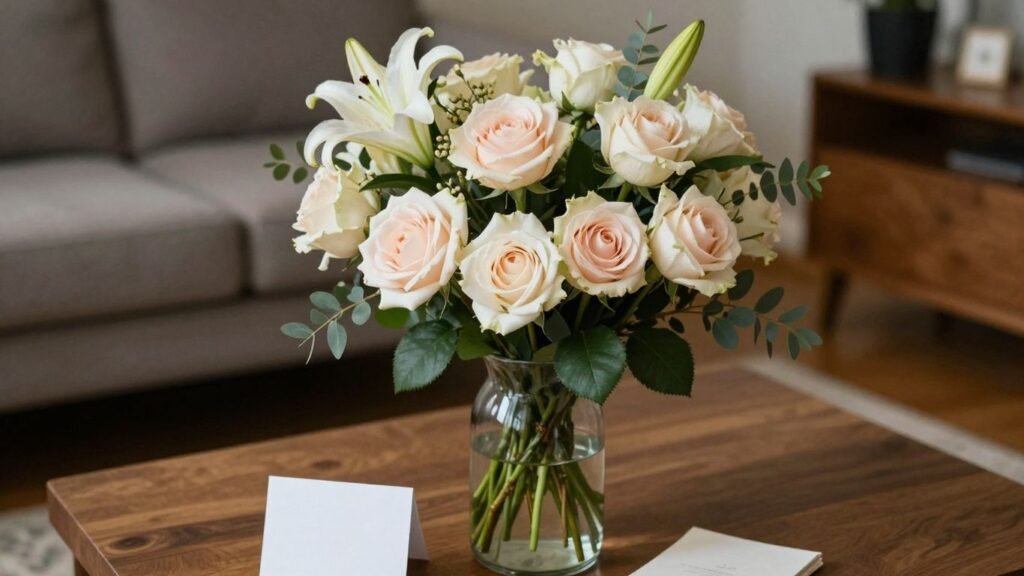
Roses are a natural choice when the apology is romantic or deeply personal. Red roses can express love and a desire to reconnect, while blush, peach, or cream tones often feel gentler and less intense. If the relationship is still tender, a mixed rose arrangement may communicate affection without making the gesture feel theatrical.
Think about quantity as well as color. A small hand-tied bouquet can feel intimate, whereas a very large red arrangement may seem like an attempt to overwhelm the conversation.
Lilies and gentle blooms for comfort
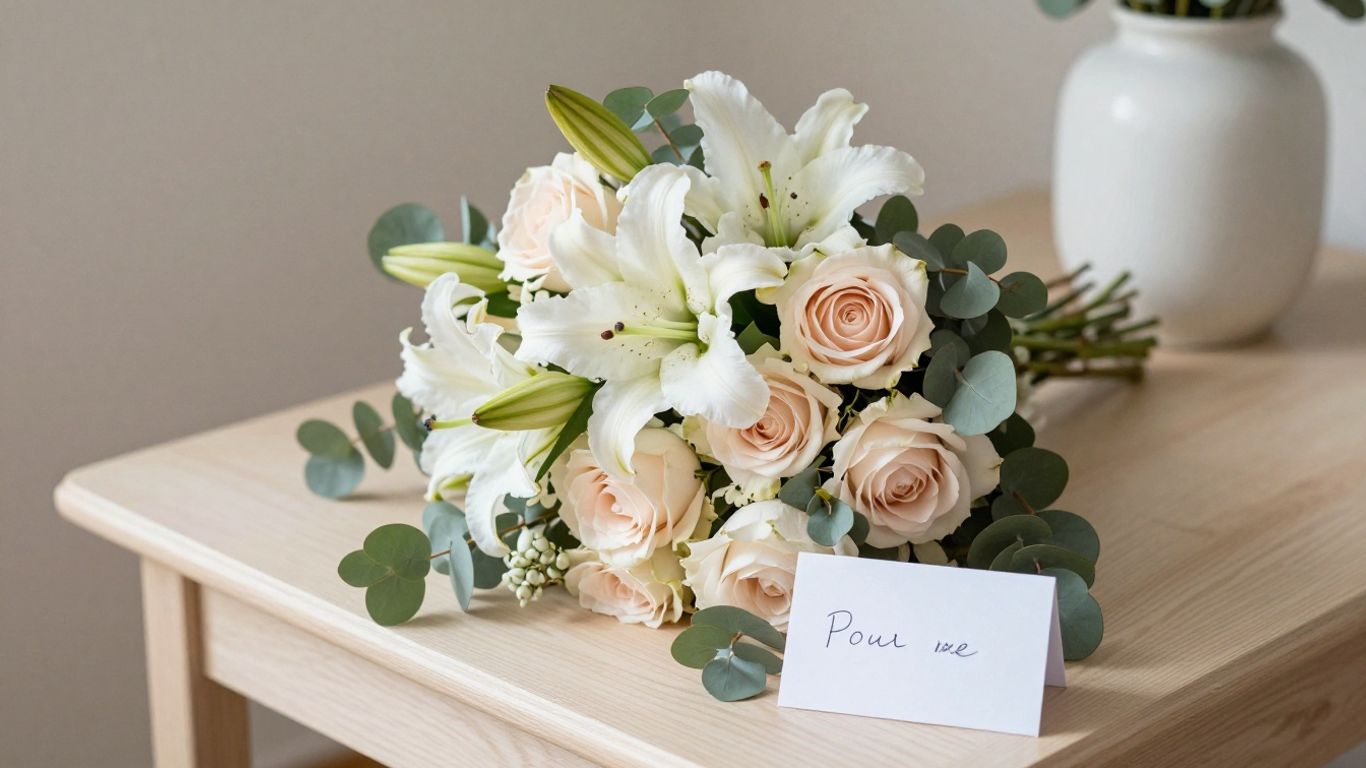
Lilies, lisianthus, carnations, chamomile, and similar delicate blooms can create a calm, supportive mood. They suit apologies connected with sadness, stress, or emotional exhaustion, especially when the recipient appreciates pale colors and light fragrance. Check for fragrance sensitivities before choosing strongly scented flowers.
For sympathy, the arrangement should be easy to place and care for. A vase-ready bouquet may be kinder than a complicated display that requires trimming, arranging, or finding a suitable container.
Native flowers for a warm local touch
Native flowers can give an apology bouquet an easygoing, distinctly local character. Textural foliage, earthy colors, and seasonal Australian stems often feel warm rather than formal. They are a good option for someone who prefers natural arrangements, unusual shapes, or flowers that feel connected to the surrounding landscape.
A local florist may be able to explain which native stems are available and how long they are likely to last. Seasonal variation is part of their charm, so the finished bouquet may not look exactly like an online photograph.
Mixed bouquets for a sincere, personal message
A mixed bouquet is useful when you want to combine affection, comfort, and optimism in one gesture. You might pair soft roses with foliage for a partner, or choose pastel flowers with native accents for a friend. The arrangement can also reflect favorite colors or blooms, making the apology feel remembered rather than generic.
The following simple guide can help you begin a conversation with a florist, though personal preference should always take priority.
| Situation | Helpful direction | Mood to aim for |
|---|---|---|
| Romantic disagreement | Blush, peach, or red roses | Warm and intimate |
| Friendship misunderstanding | Seasonal mixed flowers | Open and friendly |
| Sympathy or emotional strain | Soft-toned gentle blooms | Calm and comforting |
| Professional apology | Compact, understated arrangement | Respectful and composed |
After choosing a direction, describe the recipient and the feeling you want to convey. That information is usually more useful than simply asking for the “biggest” bouquet.
Selecting an apology bouquet in Altona
Finding I am sorry flowers Altona shoppers can send with confidence begins with a little practical checking. Look for a florist that clearly explains its delivery area, arrangement options, and ordering process. It is also worth considering whether the business allows a card message and whether the bouquet is designed around seasonal availability.
Finding a florist that serves Altona
Start by confirming that the florist delivers to the recipient’s exact suburb, not just to a broad Melbourne area. Wildberry Flowers describes fresh flower delivery in Altona and says same-day delivery is available for orders placed before 12 pm. Read the delivery information carefully before paying, since cutoff times and service areas can change.
For inspiration on sending flowers for different emotional situations, you can also browse floral delivery advice. Keep your search focused on the recipient’s needs rather than choosing the first arrangement that appears.
Comparing bouquet sizes and arrangements
Small bouquets are often enough for a thoughtful apology, particularly when the recipient lives in a compact home or prefers understated gifts. Medium arrangements offer more color and presence without becoming the main event. Large bouquets make sense when you know the recipient enjoys generous displays and has space to enjoy them.
Ask what is included in the pictured arrangement and whether substitutions are possible. A florist may adjust the flowers while keeping a similar color palette and overall feeling.
Checking flower freshness and seasonal availability
Freshness is influenced by when flowers were cut, how they were conditioned, and how they are transported. Ask whether the bouquet arrives arranged in water or wrapped for placement in a vase. Seasonal stems can be especially attractive, but availability may vary from one day to the next.
Wildberry Flowers describes arrangements made with seasonal stems, so a shopper should expect the exact flower mix to depend on what is available. That flexibility can produce a fresher and more distinctive result than insisting on one unavailable bloom.
Considering the recipient’s style and preferences
The most successful apology bouquet looks like something the recipient would actually choose. Think about whether they prefer bright colors, whites and greens, native textures, classic roses, or simple foliage. Also remember practical details such as pets, allergies, fragrance sensitivity, and whether they have a suitable vase.
The same principle applies to online research more broadly: a page about All City Bathroom Remodeling may be useful for a different household project, but it is not relevant to selecting flowers. Keep the final choice tied to the person and the apology.
Planning same-day flower delivery
Same-day delivery can make a last-minute apology feel timely, but it works best when the order is placed early and the details are complete. Before choosing a bouquet, check the florist’s cutoff, delivery suburbs, and available timeframes. A few minutes spent confirming those points can prevent an already delicate gesture from arriving late.
When to place a same-day order
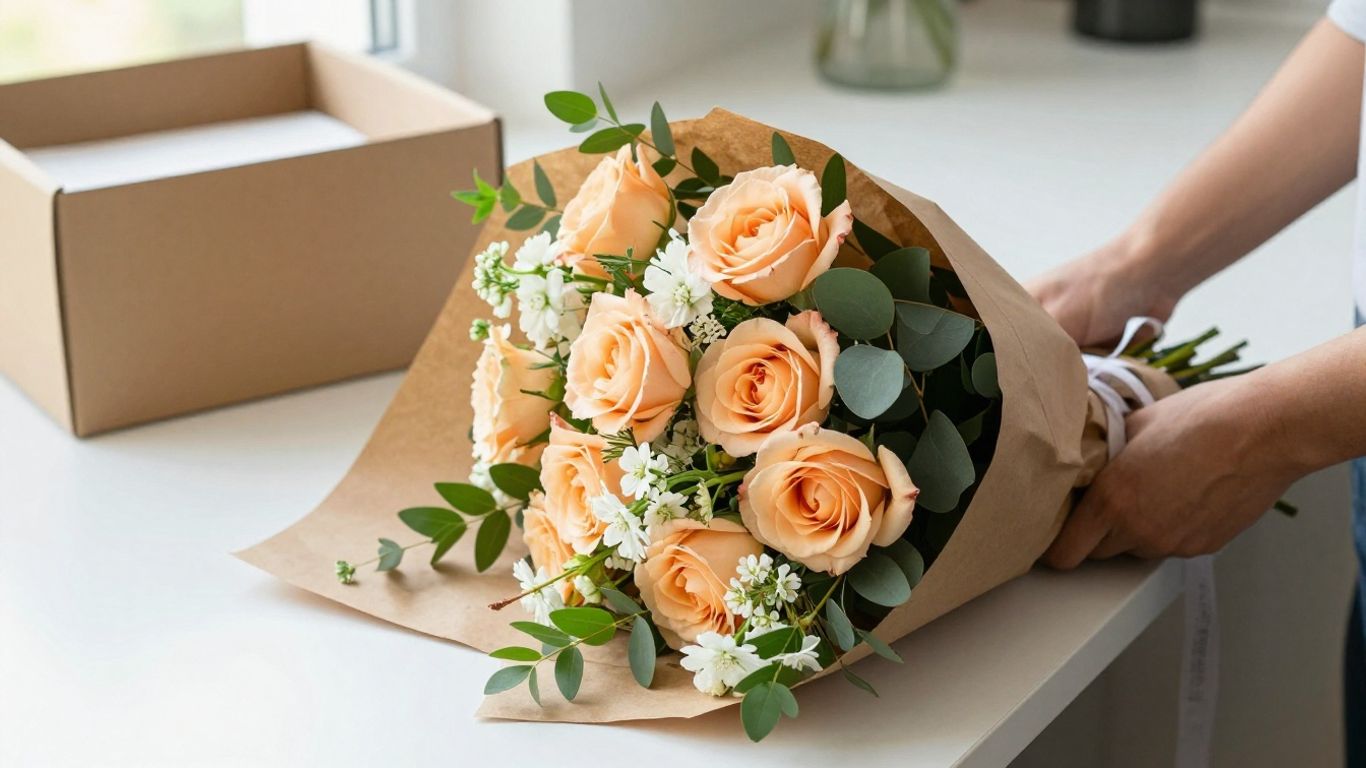
Place the order as early as possible, especially on weekends, holidays, or days associated with high flower demand. Earlier ordering gives the florist more choice of stems and leaves time to clarify any issue with the address. If you miss the cutoff, ask whether next-day delivery or pickup is available instead of assuming same-day service.
Wildberry Flowers states that same-day delivery applies when an order is placed before 12 pm. Treat that as a service condition to verify at checkout, rather than as a promise that applies in every circumstance.
Confirming delivery suburbs and timeframes
Check the destination suburb and the expected delivery window before finalizing the order. A delivery window is usually more realistic than a precise arrival time, since traffic, building access, and the day’s route can affect timing. If the flowers are needed for a particular event, order ahead whenever possible.
For sympathy-related situations, same-day sympathy flowers may be a relevant starting point when a prompt gesture is needed. Confirm the service details directly and make sure the arrangement suits the setting.
Providing accurate recipient details
Use the recipient’s full name, street address, unit or apartment number, phone number, and any useful access instructions. For an office, include the company name and department. If the recipient may be away, provide a safe alternative or ask the florist about delivery notifications.
Before submitting the order, check every number and spelling. A correct address is one of the simplest ways to make a time-sensitive delivery go smoothly.
Arranging delivery for homes, workplaces, or hospitals
A home delivery is usually the easiest option, but a workplace delivery may need reception instructions and a discreet presentation. Hospitals can have restrictions on flowers, particular ward requirements, or limited delivery access. When sending to a hospital, confirm the patient’s full name, ward if known, and whether flowers are allowed.
If the recipient values privacy, choose a delivery time and arrangement that will not put them on the spot. The kindness of the gesture includes making its arrival comfortable.
Personalizing your flowers and apology
A bouquet becomes more meaningful when the message, presentation, and timing fit the relationship. Personalization does not require an expensive add-on or an elaborate explanation. It usually comes from remembering one small preference and naming the hurt plainly.
Writing a meaningful card message
Keep the card short enough to read easily, but specific enough to sound like you. Name what you regret, acknowledge how it may have affected the recipient, and avoid demanding forgiveness. A simple structure is: “I’m sorry for ____. I understand that it hurt you. I care about you and will ____.”
If you are apologizing for a missed commitment, mention the commitment rather than writing only “Sorry for everything.” Specific words show that you have considered the situation instead of sending a routine line.
Matching the flowers to the situation
A romantic apology might suit roses, while a friendship repair may feel better with cheerful seasonal flowers or a native arrangement. For grief or serious stress, choose gentle colors and avoid language that promises the pain will quickly pass. In a professional setting, keep both the flowers and card modest.
The arrangement should also match the recipient’s preferences. A dramatic bouquet is not thoughtful if the person prefers minimal design or dislikes strong fragrance.
Adding gifts such as chocolates or a vase
Chocolates, a small vase, tea, or another modest addition can make delivery more practical. Choose extras only when you know they are welcome; dietary restrictions and allergies are worth checking. A vase is useful for someone who may not have one, but it can be unnecessary if the flowers already arrive arranged in water.
For international gestures, Fleurop International Flower Delivery is an example of a service focused on sending flowers worldwide, though local delivery details remain the key consideration for an Altona recipient. Keep the gift proportionate to the apology and the relationship.
Avoiding messages that feel impersonal or dismissive
Do not write “Sorry you feel that way,” which shifts attention away from your actions. Avoid jokes if the situation is still raw, and do not use the bouquet to ask for immediate forgiveness. The recipient should not feel that accepting flowers obligates them to reply or move on.
A warm, unpressured message leaves room for their feelings. Sometimes the most respectful card is only a few honest lines.
Making your apology more meaningful
Flowers are a visible gesture, but repair happens through listening and changed behavior. Once the bouquet has been delivered, give the recipient space to decide how they want to respond. A calm follow-up often matters more than the size or price of the arrangement.
Combining flowers with a direct conversation
When the recipient is ready, speak directly and let them describe what the situation felt like from their side. Listen without interrupting or preparing a defense. You can explain your intentions later, but intentions should not erase the impact of what happened.
A bouquet may help begin the conversation, yet it cannot complete it. If you made a promise, explain the practical step you will take to keep it.
Respecting the recipient’s need for space
Some people appreciate an immediate conversation, while others need time before they can respond. If you send flowers, make clear that there is no pressure to call or text straight away. Respecting a request for distance can be part of the apology itself.
Do not repeatedly check whether the flowers arrived or whether forgiveness has been granted. Let the gesture stand quietly.
Following up after the bouquet arrives
A brief follow-up can confirm that the delivery reached the right person, but it should not turn into a demand for reassurance. Try a message such as, “I hope the flowers arrived safely. There’s no need to respond now—I just wanted to say again that I’m sorry.”
Later, follow through on the change you promised. Consistency gives the original apology credibility.
Choosing a lasting gesture when appropriate
For a significant apology, a lasting gesture might be more useful than another bouquet. You could offer practical help, replace something that was damaged, make time for a meaningful conversation, or change a habit that caused repeated frustration. The right gesture depends on what the recipient actually needs.
Flowers are lovely because they are immediate and tangible, but lasting repair is usually measured in what happens afterward.
Conclusion
A carefully chosen bouquet can make an apology feel personal, timely, and kind, especially when it arrives with honest words and no pressure for instant forgiveness. Whether you choose roses, gentle blooms, native flowers, or a seasonal mix, let the recipient’s preferences guide you and let your actions carry the apology forward.
Frequently Asked Questions
Are flowers a good way to apologize?
They can be, particularly for a personal disagreement or a thoughtful expression of sympathy. Flowers work best alongside a direct acknowledgment of what happened and should not be used to avoid a necessary conversation.
What flowers are best for saying sorry?
Roses suit romantic apologies, while gentle blooms or mixed seasonal flowers can work well for friends and family. The recipient’s favorite colors, flowers, and fragrance preferences matter more than fixed symbolism.
Is a large bouquet better for an apology?
Not necessarily. A modest arrangement can feel more sincere and less overwhelming, especially when the situation is sensitive. Choose a size that suits the relationship and the recipient’s home or workplace.
Can I send apology flowers to a workplace?
Yes, if the recipient is comfortable receiving gifts at work and the gesture will not embarrass them. Include the company, department, and reception details, and consider a discreet arrangement.
Can hospitals accept flower deliveries?
Hospital policies vary, and some wards do not allow flowers. Confirm the hospital’s rules before ordering and provide the patient’s full name and ward information when available.
What should I write on an apology flower card?
Mention what you are sorry for, acknowledge the effect it had, and avoid asking the recipient to forgive you immediately. Short, specific wording usually feels more genuine than a dramatic message.
What should I do if the recipient does not respond?
Give them space and avoid sending repeated messages. A respectful follow-up is enough; after that, show sincerity through patience and consistent changes in your behavior.