
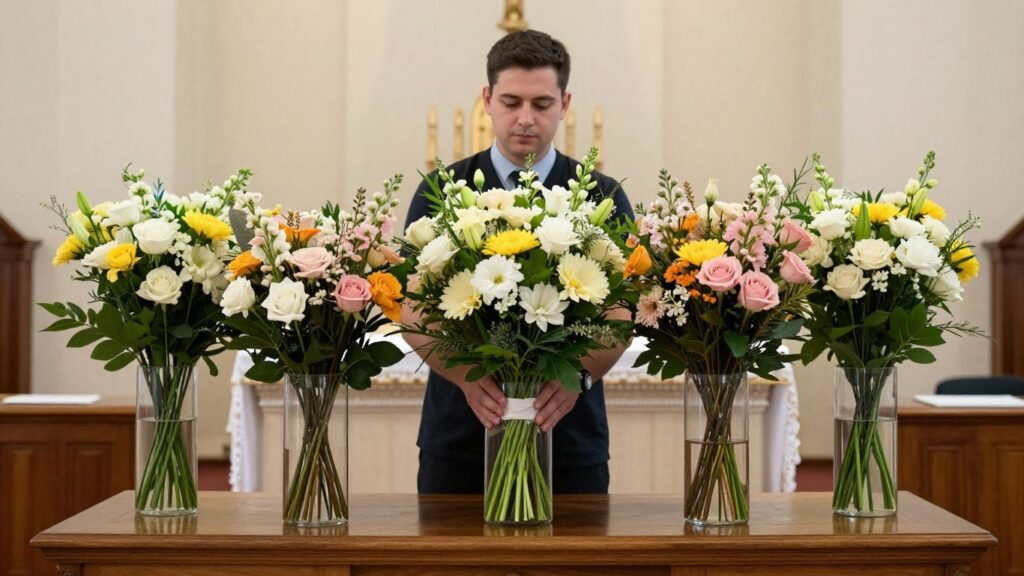
Key Takeaways
- Establishing reliable delivery protocols ensures that floral arrangements reach the altar without interrupting sacred services.
- Understanding specific venue layouts and parking availability is critical for successful setup in regional churches.
- Balancing aesthetic beauty with practical considerations like scent and allergies prevents discomfort for the congregation.
- Scheduling consistent delivery appointments with staff members preserves the solemnity of the environment during busy operational days.
- Selecting vendors with prior experience in ecclesiastical settings helps maintain the dignity and visual integrity of the sanctuary.
Understanding the logistics of church flower delivery in Altona
Navigating local church access requirements
Every church in the Altona area possesses unique guidelines regarding entry, access times, and authorized staff protocols. It is essential to communicate directly with those responsible for building management to ensure your floral team has the proper clearance to enter during quiet hours. Respecting these boundaries helps prevent scheduling conflicts and establishes a long-term partnership with the custodial staff who maintain the building.
Parking and unloading procedures for delivery vehicles
Securing a safe loading zone is often the most challenging part of service execution in residential seaside suburbs like Altona. Many older parishes have limited frontage, necessitating careful pre-planning for delivery logistics to ensure that heavy floral structures are moved safely. Delivery teams must prioritize identifying nearby service entrances that minimize disruption to ongoing pedestrian traffic or resident parking.
Setting up floral displays within sanctuary boundaries
Successful installation within a sanctuary requires precision and reverence for the architecture. It is common to consult with the church office to determine where water-resistant barriers are needed to protect fragile surfaces. Expertly placed floral arrangements create a visual focal point that draws the eye toward the altar, provided the design choices adhere to existing spatial restrictions.
Selecting appropriate floral arrangements for religious ceremonies
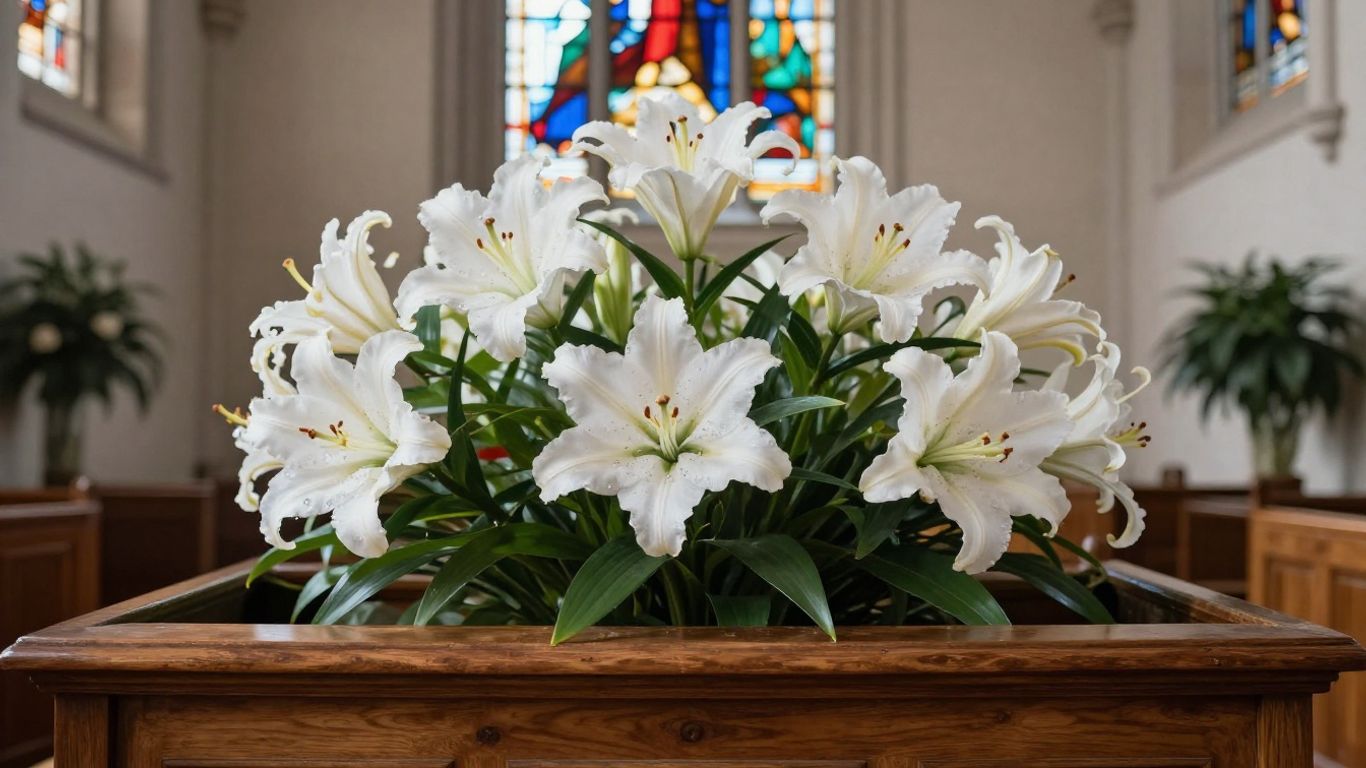
Balancing traditional symbolism with event themes
Floral choices for religious venues often carry deep traditional meanings that should be honored throughout the design process. Incorporating native regional blooms can add a layer of significance while respecting the solemnity of the church space. Designers should focus on creating arrangements that feel both timeless and deeply connected to the specific occasion being observed.
Selecting allergy-friendly and low-scent blooms for services
Congregations often represent ages and health conditions that necessitate a cautious approach to botanical choices. Selecting varieties that are low in scent and free of allergenic pollen helps ensure everyone can focus on the ceremony rather than the environment. Using an expert same-day delivery service ensures these fragile, specifically selected stems arrive in pristine condition and are handled with the care they require before the start of the service.
Ensuring color palettes complement church architecture
Church aesthetics generally vary between bright, airy modern designs and darker, ornate traditional interiors. A color palette that draws from the existing stained glass or architectural materials creates a unified look that enhances the atmosphere of the room. Professionals often favor neutral bases with strategic pops of color to balance the space, avoiding visual clutter in sensitive areas.
Coordinating delivery windows with church staff
Confirming access times to avoid conflict with services
Timely delivery is a hallmark of professional service, especially when it involves coordination with church staff. By confirming access hours weeks in advance, you minimize the risk of being caught in a busy period when the altar area is being prepared for upcoming holy days or weekend rites. This coordination helps ensure that your floral delivery integrates seamlessly into the church calendar.
Managing deliveries for multi-event days
During seasons like Easter or Christmas, churches host various events, meaning the arrival of fresh flowers must be meticulously planned to ensure no overlap occurs with other logistical services. Having a structured timing strategy keeps the environment orderly and prevents congestion in the vestibules or hallways. The following table illustrates an effective coordination schedule for busy event periods.
| Event Type | Recommended Lead Time | Staff Contact Method |
|---|---|---|
| Mid-Week Service | 2 Hours | Email Confirmation |
| Funeral Rites | 60 Minutes | Phone Call |
| Sunday Service | 18 Hours | Direct Messaging |
After finalizing the delivery schedule, it is vital to share the confirmed timeline with all relevant parties. This transparency builds trust and helps the staff prepare for the arrival of the arrangements.
Providing clear contact information for onsite recipients
When unexpected issues arise during transport, immediate communication is essential to maintain service quality. Providing the church with a direct point of contact ensures that any concerns regarding the display or timing are addressed efficiently. Clear communication remains the foundation of a successful delivery relationship.
Seasonal tips for church flower stability
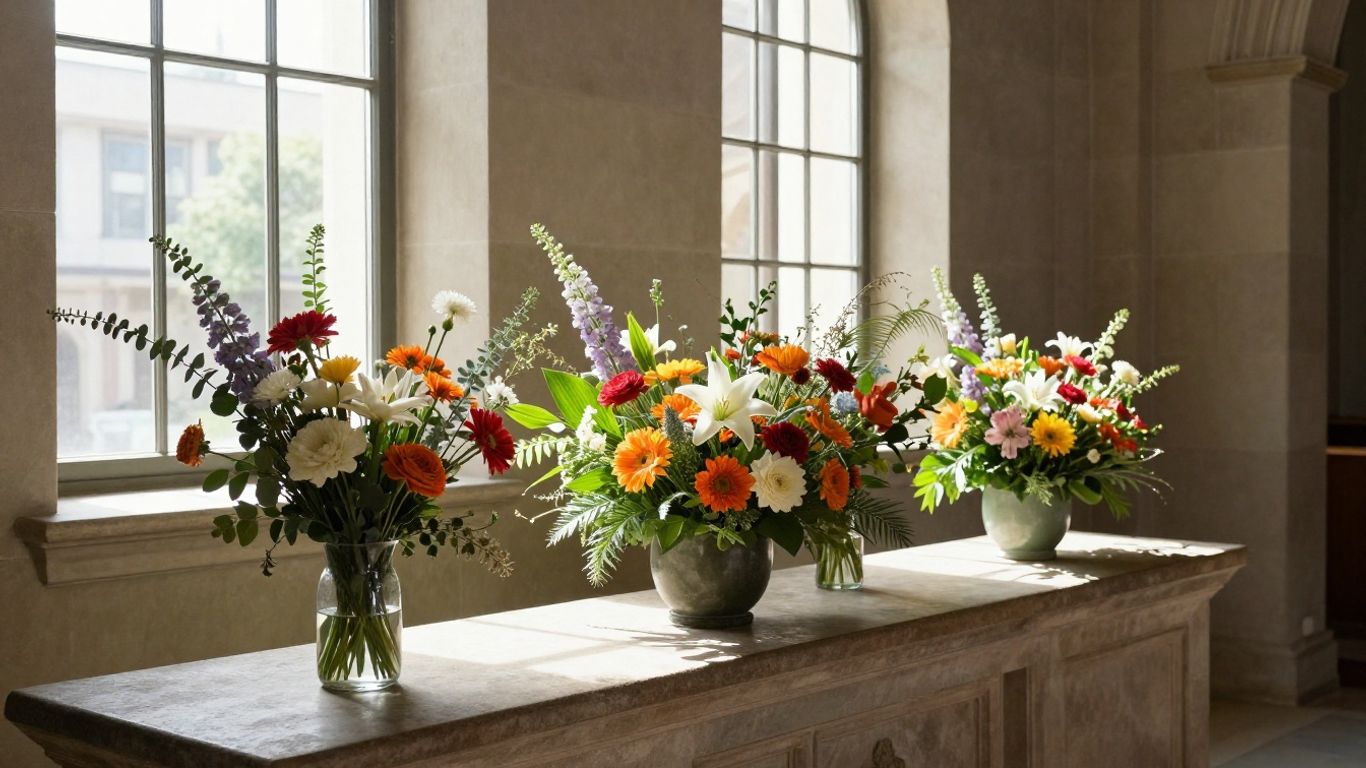
Managing flower longevity during peak summer months
High temperatures present a major challenge for maintaining fresh-cut flowers in indoor venues without advanced climate control. Utilizing premium hydration techniques and ensuring the arrangements are kept out of direct sunlight is necessary to keep blooms looking vibrant for the duration of the service. These measures help sustain the aesthetic quality of your floral investment.
Adapting arrangements for winter heating conditions
Winter heating systems create dry environments that can quickly dehydrate delicate flowers, making regular checks essential. It is helpful to discuss these conditions with your florist to ensure they choose sturdier varieties that can withstand rapid moisture loss. Proper placement away from heating vents also helps preserve the shelf life of the display.
Best practices for hydration in indoor, open-air settings
Maintaining the hydration of arrangements in open-air spaces requires diligent observation and consistent intervention. For churches that remain open to the elements or use natural ventilation, frequent water level checks are necessary. A premium VIP Point to Point delivery service assists in these scenarios by ensuring that floral displays arrive at the exact moment they are needed, reducing their exposure time to demanding environmental fluctuations.
Evaluating local florists for church delivery services
Checking portfolios for experience with sacred spaces
Selecting a partner for church services requires reviewing their history of working within quiet, high-integrity environments. When interviewing potential vendors, ask to see their completed altarpiece displays. A vendor offering a professional invoice and transparent pricing helps streamline your budgeting and ensures clarity regarding the services provided.
Reviewing previous client testimonials from the Altona area
Local reputation serves as a reliable indicator of service quality and professionalism. Many churches in the region have established long-standing relationships with specific flower shops that understand the local aesthetic and logistics. Seeking out testimonials from neighborhood boards or church committees provides a clear picture of what you can expect.
Ensuring vendors are familiar with specific Altona church layouts
Choosing a local vendor helps ensure they are intimately familiar with routes and loading accessibility at the church. This knowledge minimizes the risk of late deliveries and ensures that the displays are positioned according to local church custom. If you are looking for guidance on choosing the right partner, consider these evaluation points:
- Visit the shop to inspect the quality of their fresh stems.
- Request detailed quotes to avoid surprise service additions.
- Confirm the florist provides their own delivery equipment for delicate installs.
- Verify that they maintain clear, consistent communication with your church coordinator.
These steps help narrow down a vendor who is truly prepared for the nuance of ecclesiastical floral support.
Budgeting and planning for regular church flower delivery
Understanding recurring delivery costs versus one-off events
Regular contracts often provide cost efficiency and priority access, unlike sporadic orders. Planning for ongoing commitments allows you to define your budget clearly based on the needs of the church calendar. This stability helps you predict expenses without managing invoices on an event-by-event basis.
Optimizing placement to maximize visual impact
Strategic placement of arrangements allows for maximum coverage with the minimum number of stems. By focusing on central altar pieces or key entry points, you achieve a professional look without excessive costs. Careful planning turns these decorative accents into a cohesive, inviting visual experience for every visitor.
Scheduling long-term flower contracts for seasonal rotations
Working with a provider to set up a full-year rotation ensures the church space is always decorated appropriately for the liturgical calendar. This forward-looking approach simplifies administrative efforts for staff and guarantees floral quality throughout the changing seasons. Long-term partners understand the unique flow of church life and reliably provide consistent aesthetics.
Conclusion
Bringing professional floral displays to a sacred space requires careful planning, effective communication with church staff, and a mindful approach to environmental factors. By prioritizing reliability and venue-specific knowledge, you ensure that these arrangements serve as a beautiful centerpiece for worship. Integrating these practices into your planning strategy will provide a stress-free experience for the church and a high-quality result for the congregation.
Frequently Asked Questions
How far in advance should I book church flower delivery?
It is generally recommended to secure your delivery at least two weeks before a standard Sunday service to ensure availability. For major religious holidays or wedding seasons, contacting the florist one to three months in advance is advisable to accommodate your specific design requirements.
Can flowers be delivered on a Sunday if the shop is closed?
Many florists can accommodate Sunday deliveries by prior arrangement, although this often requires scheduling the request several days beforehand. It is essential to confirm this capability with your chosen provider during the initial consultation to verify they can meet the timing needs of your service.
How do I ensure fresh flowers last through the service?
Selecting hardy, seasonal varieties and ensuring they have been properly hydrated before delivery is key to their longevity. Keeping the sanctuary environment stable and avoiding direct exposure to heaters or vents further protects the arrangements from premature wilting.
Is it possible to reuse floral stands for different services?
Many florists offer stand hire as part of their service package, which includes delivery, setup, and subsequent collection. This is a common and practical option for events in churches, as it ensures the displays are safe and properly positioned without you needing to purchase or store equipment.
What if the church layout is difficult to access?
Experienced local florists who are familiar with the area will typically perform a site visit or ask for detailed photos if they are uncertain about access. Open communication between the florist and church staff regarding doors, aisle widths, and potential parking restrictions is the best way to handle complicated layouts.
Should I coordinate with the funeral home or the church for deliveries?
When a funeral service is involved, the florist usually coordinates directly with the funeral home to handle transport in the hearse. However, for standard church displays, you should coordinate primarily with the church office to determine when the sanctuary will be open for setup.
Are specific flowers restricted in religious settings?
While personal preference is important, some churches may have specific guidelines regarding the color or type of flowers allowed for different liturgical times of the year. It is always best to consult with the church pastor or wedding coordinator to confirm that your floral choices align with the church’s internal policies.