
Key Takeaways
Planning your floral arrangements requires early preparation and clear communication to ensure your vision comes to life within your budget. By focusing on seasonal, local choices and choosing the right partner, you can curate a stunning aesthetic for your event.
- Define your mood and color palette before booking.
- Always account for installation and labor fees in your budget.
- Choose a designer whose portfolio reflects your desired aesthetics.
- Use seasonal, local, and sustainable blooms to maximize value.
- Ask detailed questions about delivery and contingency planning.
1. Defining your event floral vision
Identifying the atmosphere and mood
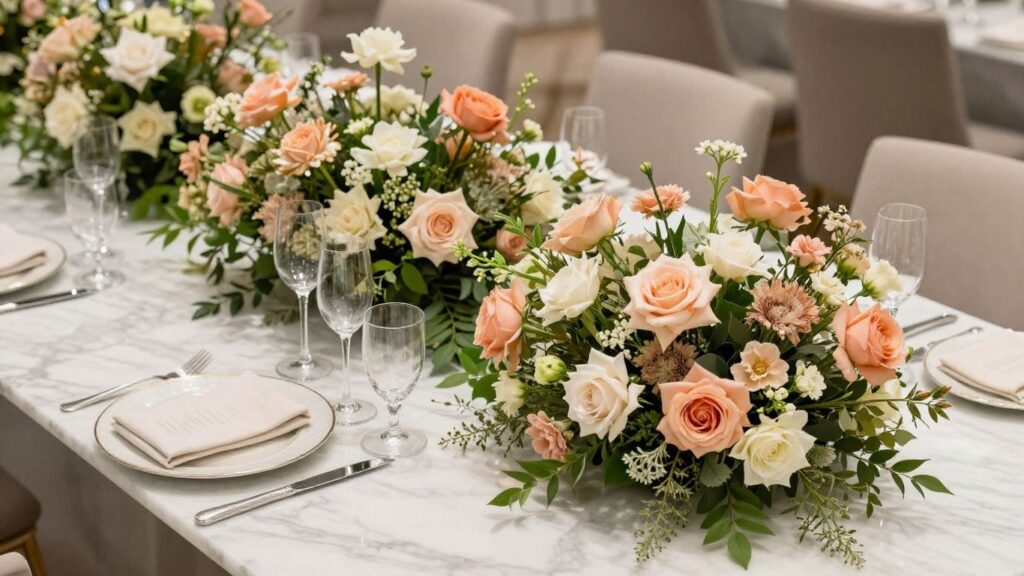
Establishing a clear mood is the foundation of any successful event layout. Before visiting potential partners, consider what emotional impact you want your guests to experience when they walk through the doors. Are you looking for a romantic setting with soft pastels, or perhaps a sharp, modern environment with deep structural contrasts? To help you keep your preparation organized, we suggest using the following checklist:
- Define your event tone as formal, rustic, or modern.
- Determine the primary lighting conditions at your venue.
- Sketch out the desired table layout for floral placement.
- List any favorite flower varieties you hope to include.
Following this structure will ensure you remain focused on your goals while communicating with creative professionals.
Selecting a color palette that fits the theme
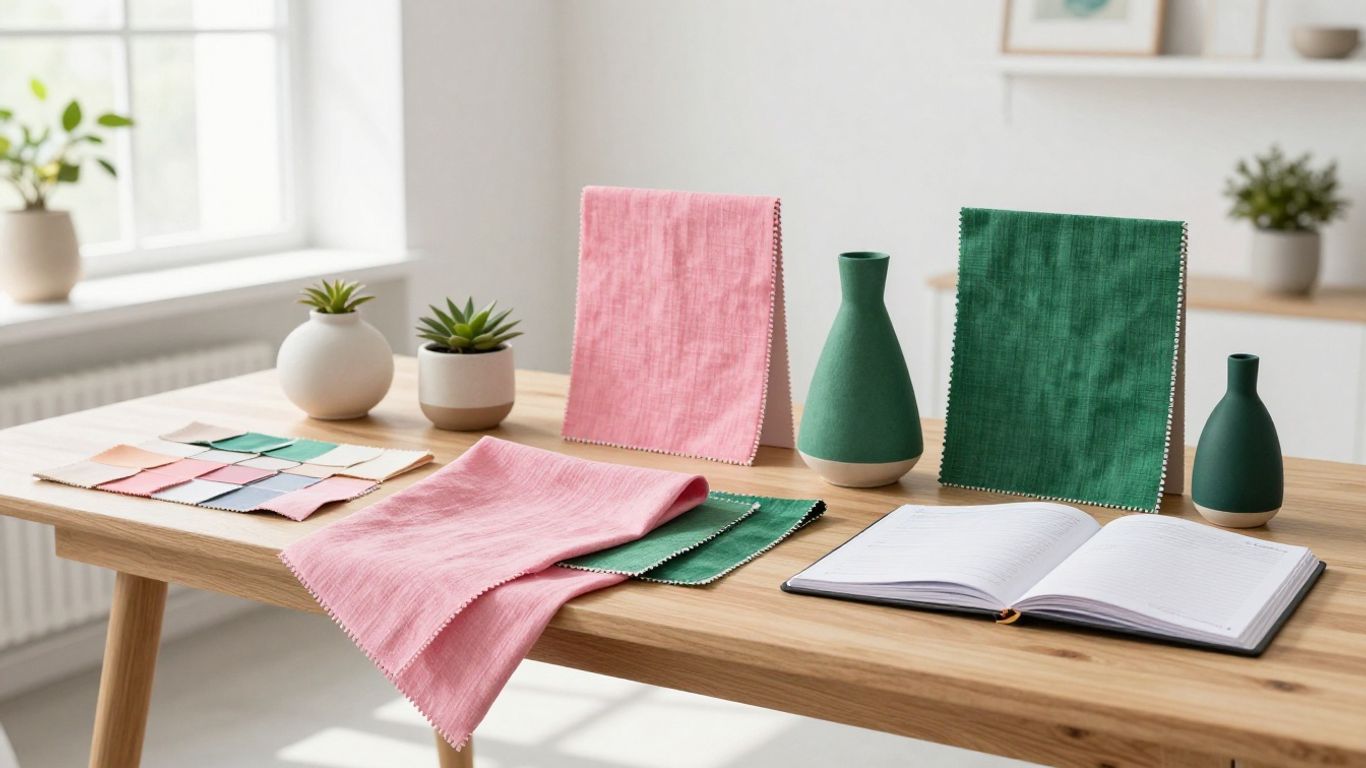
Your color palette dictates the entire visual flow of the room. It is helpful to select at least one primary color and two complementary accent shades that reflect your personal style or brand identity. For instance, Urban Antidote often incorporates vibrant, artistic tones to create a bold, modern impact that feels distinct and intentional for brand launches.
Choosing between fresh and dried floral arrangements
Determining whether to use fresh stems or dried alternatives changes the longevity and logistical demands of your arrangements. Dried florals often offer an eco-friendly advantage, much like how one might appreciate the delicate refinement found in Ioannis Finest culinary spices, as they require minimal care. Conversely, fresh flowers deliver natural fragrance and seasonal vitality that remains unmatched for high-end celebrations.
Incorporating local Australian native blooms
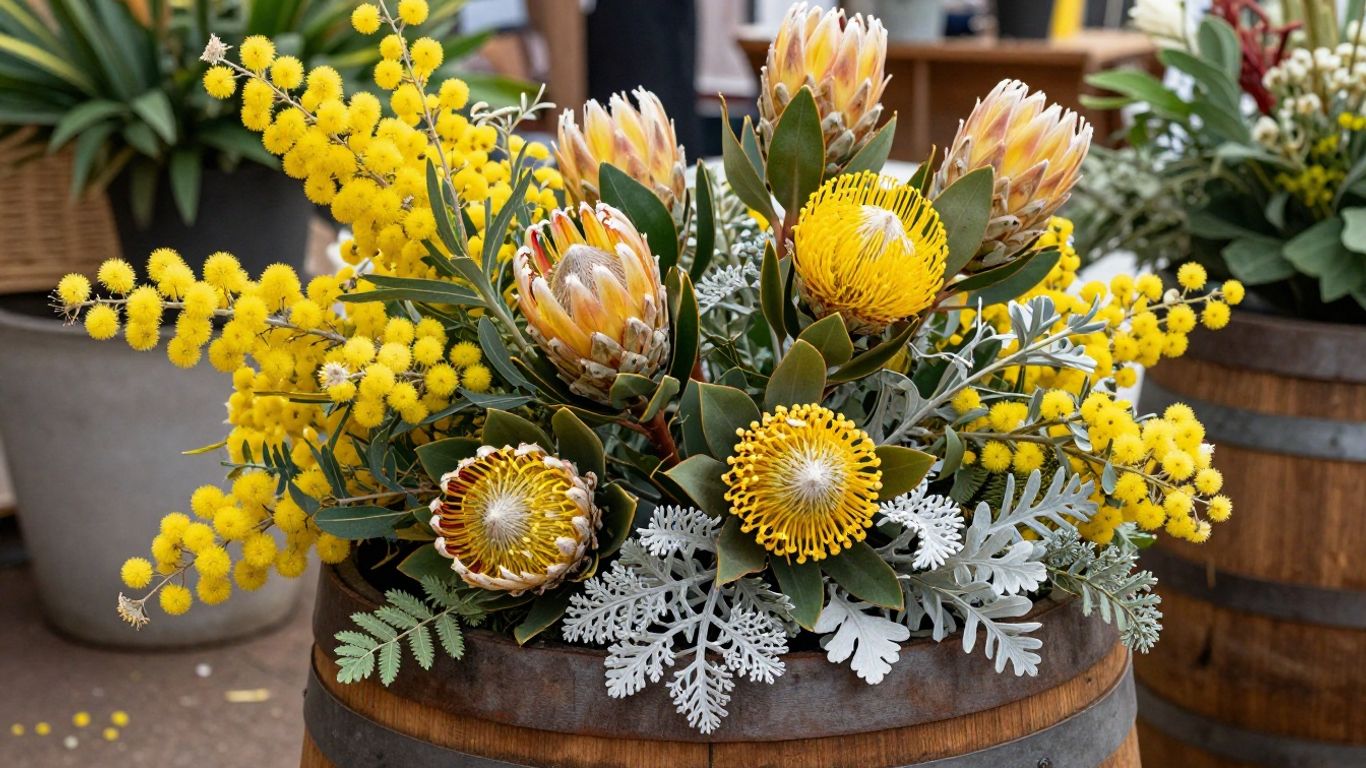
Australian native flowers are remarkably durable and offer a unique texture that works perfectly in the Melbourne climate. Using banksias, proteas, or gum foliage adds a local character to your arrangements while potentially reducing costs by sourcing what is readily available in our region. These blooms stand out for their strong, architectural shapes that bring a sense of place to any display.
2. Setting a practical budget for your floral arrangements
Setting a budget involves looking beyond the price of the flowers themselves. You must consider the labor, transport, hardware, and installation hours that typically make up the bulk of a professional florist’s quote. It is useful to understand these cost tiers to see where you can balance quality and expenditure.
| Arrangement Tier | Typical Scope | Best Use Case |
|---|---|---|
| Entry Level | Focal centerpieces only | Small gatherings |
| Standard | Full room styling | Casual weddings |
| Bespoke | Complex installations | Grand celebrations |
After finalizing your budget, remember to set aside a ten-percent contingency fund for last-minute additions. Clear, transparent pricing helps you manage costs effectively, similar to how Fig & Bloom provides online tools to simplify the planning process for busy event organizers. Don’t be afraid to ask for a breakdown of costs to ensure you understand exactly what the service fee covers.
Calculating costs based on flower varieties
Specific floral blooms command higher prices due to import costs, seasonality, and the complexity of their care. Selecting high-demand blooms like peonies or local out-of-season imports can quickly drive up costs, so knowing which alternatives fill a similar visual niche is a great way to save.
Managing installation and labor fees
Labor fees often involve the time taken to clean, prep, and transport delicate stems to a site. These costs are essential for ensuring your flowers survive the rigors of a busy day, including the precise setup required for structural displays. When coordinating large commercial shifts or complex venue changes, specialized teams—much like those involved in Corporate moving services—are vital for efficiency and minimal downtime.
Saving money without sacrificing quality
Focusing on high-impact installations rather than small individual vases can often reduce labor time significantly. Choosing seasonal foliage instead of expensive mass-flower displays also helps you maintain a luxurious look for less. Always prioritize quality where the guests naturally congregate, such as the entry or the main stage, to make your investment feel larger than it is.
Understanding transparent pricing from Melbourne florists
Finding a partner who explains their pricing structure upfront is key to a stress-free experience. If you are comparing estimates, look for one that covers everything from transport to on-site styling, ensuring that a cohesive floral design remains within your financial plan. Avoid working with vendors who provide vague figures without detailing if the hardware and delivery are included.
3. Choosing the right floral design partner
Vetting portfolios for relevant event experience
Always ask to see photos of full projects rather than just close-up shots of single bunches. A professional should demonstrate their ability to scale to the size of your venue, handling everything from hanging foliage to table settings. For a modern, fresh aesthetic, agencies like Melbourne Event Florals often showcase deep expertise in transforming spaces with lush foliage and curated installations.
Checking vendor availability for specific Melbourne dates
Popular florists in Melbourne often book out months in advance for the prime spring and autumn seasons. Send inquiries early, and if your primary choice is unavailable, ask them for an honest opinion on other florists who share their style. This networking helps you find a team that perfectly matches your desired aesthetic.
Assessing reliability through client reviews
Past results are a strong indicator of how a business handles the pressure of a big day. Look for feedback that confirms their attentiveness to deadlines and their ability to follow a creative brief. A reliable partner should have a history of arriving on time and staying through the teardown process to remove all structures safely.
Evaluating the scale of their service delivery
Consider whether your florist has a physical studio and a proper delivery fleet. A larger, more established partner, such as Wild Flos, is well-positioned to handle last-minute logistical changes for weekly deliveries or larger event scales. Always discuss their capacity to provide extra staff if your event is a very large or complicated production.
4. Seasonal availability of Melbourne event flowers
Choosing flowers that occur naturally in the current season is the single most effective way to ensure freshness and reduce environmental footprint. Melbourne’s climate allows for a rotating selection of stunning blooms throughout the year, changing from coastal Australian wildflowers in spring to deep, moody foliage in winter. Working with these seasonal rhythms ensures that your displays don’t just look organic, but behave that way, too.
Maximizing value by using locally sourced seasonal blooms
When you stick to local blooms, you save on transportation costs and carbon emissions, while benefiting from the freshest stems possible. Ask your florist to design around the current peak bloom for the most cost-effective and beautiful results. This approach makes your event feel grounded in the local landscape.
Navigating availability across Victorian, Australian, and imported flowers
Understanding where your flowers come from helps manage expectations. Victorian-grown options are generally hardier, while exotic imports can offer spectacular colors not found locally but often come at a steeper cost. Balance your needs by using local fillers for volume and focusing the budget on imported specialty stems where maximum impact is required.
Managing expectations for off-season requests
If you have your heart set on a specific flower that isn’t native to Australia or in season, be prepared for premium pricing. Sometimes, the "off-season" version is of poor quality, which can undermine the look of the event. A professional will often suggest a better alternative that matches the color and vibe of your dream flower without the risk.
Sourcing sustainable options for eco-conscious events
Sustainability is increasingly central to modern event planning. Opting for florists who minimize floral foam use or who can provide hired containers keeps your impact low. For large-scale events that require auxiliary power, avoiding noisy diesel generators is another way to ensure your event remains sustainable, focusing instead on solutions akin to advanced mobile microgrids for greener energy usage.
5. Coordinating logistics and venue installations
Communicating with venue managers about access windows
Access windows are the biggest constraint for any floral installation. Ensure your venue allows enough time for the florists to build, secure, and style the arrangements safely. Providing your florist with a contact person at the venue helps resolve any access issues quickly on the day.
Planning for setup and teardown timing
Setup needs to happen before guests arrive, but after the main room furniture is placed. Similarly, teardown must be scheduled outside of the event’s peak hours. Make sure these specific blocks are clearly written in your contract with the florist to prevent any confusion or extra hourly charges.
Coordinating flower placements with interior event design
Flowers shouldn’t be an afterthought; they should align with the architecture of the space. Consider the heights of your centerpieces to ensure they don’t block guest sightlines, and use color schemes that complement the existing carpet, lighting, and décor of the venue. Ensuring the final look flows together is essential to building a cohesive atmosphere.
Managing large-scale structural installations safely
If you are planning hanging installations or large floral walls, safety is paramount. You need a team that understands structural integrity and fire codes. These installations must be checked by the venue to ensure they don’t pose a tipping risk or block emergency exits.
6. Essential questions for your initial florist consultation
Clarifying what is included in the service fee
Always ask for an itemized quote that includes labor, transport, and flower varieties. Knowing if the fee covers the teardown and the removal of vases is important for avoiding surprise extra costs at the end of the event.
Discussing backup plans for last-minute changes
What happens if a specific shipment of flowers is delayed or crushed? A good professional will have a plan to swap out varieties of similar color and value. Understand their protocols for when things don’t go exactly as planned.
Confirming delivery and transport logistics
Confirm the time of arrival and the exact delivery point for the florists. If your event uses professional digital tools for corporate management, like those found in Engineering VISAGE, you know how vital structured data and operational consistency are to complex service delivery. Ensure your florist tracks their transport times as carefully as they track their stems.
Defining clear communication channels leading up to the event
Establish which platform you will use for updates—whether email, phone, or a shared project portal. Consistent, open channels of communication prevent errors and ensure that if your vision shifts slightly in the months before the event, the florist can adjust accordingly.
Conclusion
Navigating the process of sourcing event flowers in Melbourne is a rewarding journey that blends creativity with logistical logic and fiscal responsibility. By understanding the seasonal flow of the market, vetting your floral partners with care, and ensuring that every installation detail is planned in advance, you can create a memorable environment that reflects your unique event goals. Whether you are hosting an intimate celebration or a sophisticated corporate activation, the right floral design provides the perfect touch to bring your vision to life beautifully and effortlessly.
Frequently Asked Questions
Should I always choose a florist that specializes in my venue’s area?
It is often convenient to choose a florist familiar with your venue because they will already understand the access, loading docks, and site constraints, but it is not mandatory.
How far in advance should I book my event florist in Melbourne?
For major holiday periods or popular wedding months, booking six to twelve months in advance is recommended to ensure you secure your desired vendor.
Can flowers be repurposed once an event is over?
Yes, many people choose to donate flowers to hospitals or nursing homes, or you can allow guests to take arrangements home, provided your agreement allows for it.
Do I need to provide a floor plan to my florist?
A floor plan is incredibly helpful for your florist to understand the placement of arrangements and the overall flow of the event, ensuring every space is appropriately styled.
What if I have a limited, tight budget?
Focus on high-impact areas like the entrance or the guest-of-honor tables, and use lush, cost-effective greenery to fill structural gaps in the layout.
Are there specific flowers that perform better in outdoor Melbourne settings?
Hardy natives like banksias and robust foliage typically stand up much better to wind, direct sun, and temperature variations than delicate imported blooms.
Who is responsible for the floral cleanup after the party ends?
This is usually a service provided by your florist, but you must clarify if this is included in their service fee or if it is billed as an additional labor cost after the event concludes.