Key Takeaways
Thoughtful flowers are less about extravagance than timing, tone, and knowing the recipient. A little planning can make a simple bouquet feel deeply personal.
- Choose flowers that suit the occasion and relationship.
- Consider the recipient’s setting, preferences, and practical needs.
- Confirm delivery details before placing the order.
- Use a card message to make the gesture personal.
- Help the arrangement last with simple care from day one.
Understanding the meaning behind thinking of you flowers
Sending flowers can be a gentle way to say that someone has been on your mind. The gesture works across many relationships, from close friends and family to colleagues and neighbors. For anyone searching for thinking of you flowers Hobsons Bay, the best starting point is the feeling they want to communicate rather than a particular flower name.
When a floral gesture feels appropriate
There does not need to be a major event behind a thoughtful bouquet. Flowers can mark a difficult week, a quiet recovery, a birthday missed from afar, or simply a wish to reconnect. They are especially welcome when a person may not have the energy for a long conversation but would still appreciate a visible sign of care.
The timing should feel considerate rather than demanding. A modest arrangement sent without an expectation of a reply often carries the warmest message.
How flowers can offer comfort and encouragement
Flowers bring softness and color into rooms that may feel stressful or subdued. They cannot solve grief, illness, or loneliness, but they can make a space feel cared for and give the recipient something gentle to notice. A short note that acknowledges the situation honestly is usually more comforting than exaggerated cheerfulness.
For loss, a calm arrangement and a respectful message may be more suitable than something bright and celebratory. A sympathy flower guide can also help when cultural preferences, memorial settings, or family traditions need to be considered.
Choosing between a casual, romantic, or supportive message
The card should match the relationship as clearly as the flowers do. A casual note might say, “Just sending a little brightness your way,” while a romantic message could mention a shared memory or the wish to see the person soon. For someone going through a hard time, simple words such as “I’m thinking of you and here whenever you need me” are often enough.
Avoid language that pressures the recipient to feel better immediately. A sincere, uncomplicated sentence leaves room for their own emotions.
Choosing flowers for different occasions
The same bouquet can mean different things depending on where it is sent and why. Think about the recipient’s circumstances, the amount of attention the arrangement will require, and whether other people will see it. The following choices can help narrow the field without making the gesture feel overly formal.
Supporting someone through grief or illness
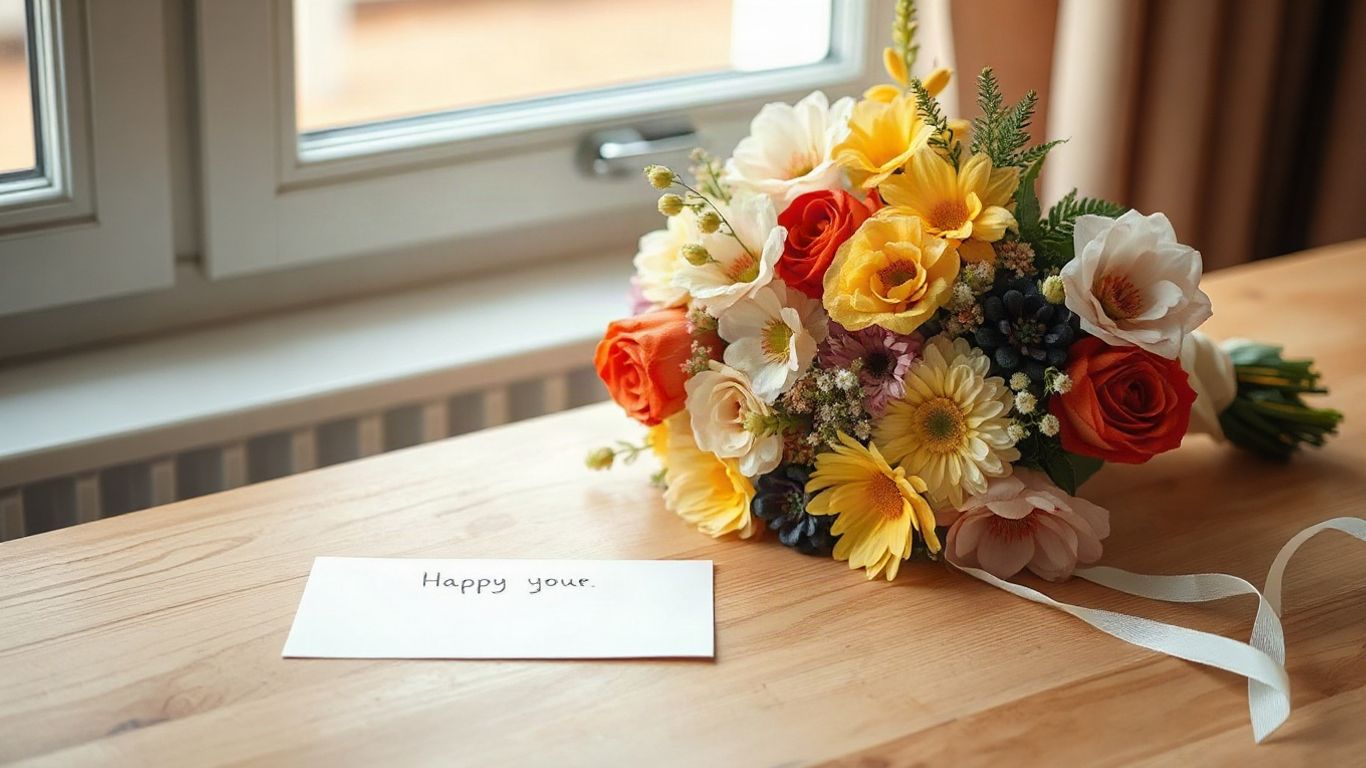
For grief, choose an arrangement that is graceful and restrained, with colors and flowers that feel appropriate to the family. For illness or recovery, cheerful blooms can be welcome, but check whether the recipient has allergies or whether the facility restricts flowers. A guide to flowers for aged care is useful when the recipient lives in supported care.
A vase-ready arrangement can reduce effort for someone who is tired or receiving visitors. If sending to a hospital, confirm the ward’s policy before ordering, since some areas may not accept flowers.
Celebrating milestones from a distance
Flowers can make a graduation, new job, engagement, anniversary, or move feel shared even when you cannot attend. Match the arrangement to the achievement: lively colors for a new beginning, elegant flowers for an anniversary, or something connected to a hobby or favorite color.
A brief reference to the milestone in the card prevents the gift from feeling generic. You might also pair flowers with a small gift that reflects the recipient’s interests, such as the Valentine’s Day gifts suggested for a book-loving librarian.
Brightening an ordinary day
An unexpected bouquet is often most effective when there is no formal reason for it. Choose something relaxed and seasonal rather than overly ceremonial. Mixed flowers, cheerful colors, and a small arrangement can make the gesture feel spontaneous.
The note can stay equally light: “No occasion needed—I hope these make your afternoon a little nicer.” That kind of message offers warmth without creating an obligation.
Sending flowers to a workplace, hospital, or care facility
The delivery setting affects both the arrangement and the practical details. Workplaces may have reception desks and limited space, hospitals may have ward restrictions, and care facilities may need a resident’s room number or preferred delivery window. When sending to a facility, the aged-care delivery advice offers a useful reminder to check local procedures first.
Use a stable container when possible and keep the arrangement moderate in size. A delivery that is easy to carry, display, and maintain is kinder than one that creates extra work.
Selecting the right flowers and arrangement style
Flower choice is personal, but it does not have to be complicated. Color, season, container, and maintenance all influence how the gift will be received. If you are unsure, describe the recipient and occasion to a florist and ask for an arrangement that captures the intended mood.
What different flower colors can communicate
Color can guide the feeling of a bouquet, although personal taste matters more than rigid symbolism. Soft whites and greens can feel peaceful, pinks gentle and affectionate, yellows bright and friendly, and deeper reds more romantic or dramatic.
A mixed palette is often a safe choice when the relationship is not romantic. For a workplace or care setting, balanced colors may feel more comfortable than an arrangement dominated by a single intense shade.
Seasonal blooms and locally available options
Seasonal flowers are often a natural fit for a local delivery because they reflect the time of year and may be easier for a florist to source fresh. Availability can change quickly, so it is sensible to focus on the overall color and mood rather than insist on one exact stem.
Local floral advice, including seasonal flower ideas, can help you choose something that feels current without becoming overly elaborate. Flexibility usually gives the florist more room to create a fresh arrangement.
Bouquets, boxed arrangements, and vase-ready designs
A hand-tied bouquet is attractive and flexible, but the recipient may need to find a vase and prepare it. Boxed or arranged designs are ready to display and can be better for offices, hospitals, or people who are not feeling well. A vase-ready arrangement is especially practical when the recipient lives alone or is unlikely to have supplies nearby.
Before ordering, consider the moment of arrival. A gift that can be placed on a table immediately may be more useful than a larger bouquet that requires preparation.
When to choose low-maintenance or long-lasting flowers
Low-maintenance arrangements suit busy recipients, care facilities, and anyone recovering from illness. Look for sturdy flowers, a suitable container, and clear care instructions. Long-lasting does not mean maintenance-free, but it can reduce the frequency of trimming and water changes.
If fresh flowers are not practical, a smaller arrangement or a preserved floral design may communicate the same thoughtfulness. The right choice is the one the recipient can comfortably enjoy.
Planning flower delivery in Hobsons Bay
Good delivery planning protects the sentiment behind the gift. Check the service area, available dates, delivery instructions, and any restrictions before you pay. Local flower delivery advice can be helpful when an order is needed quickly or the destination has special requirements.
Checking delivery areas and available time slots
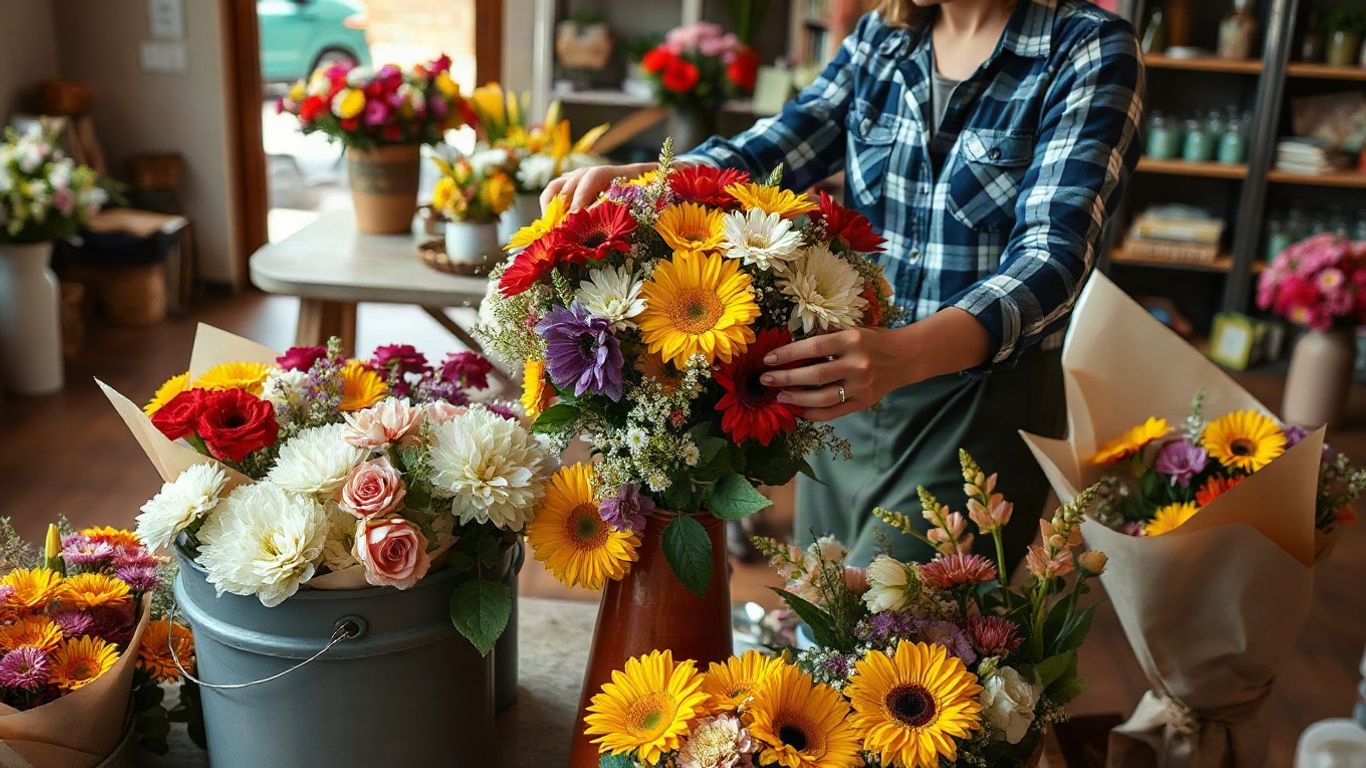
Confirm that the recipient’s suburb is covered and review the available delivery windows. Same-day services may have an ordering cutoff, while weekend and holiday availability can be more limited. If the flowers are tied to an event, allow a margin rather than choosing the latest possible slot.
Do not assume that a general Hobsons Bay service covers every address or facility. The checkout page or florist should provide the most reliable information for the specific date.
Providing accurate recipient and address details
Include the recipient’s full name, street address, unit or apartment number, phone number, and any useful access instructions. For a workplace, add the business name and reception details. For a hospital or care facility, include the ward, room, resident number, or contact person when available.
Review spelling carefully. One missing apartment number or an unclear entrance instruction can delay an otherwise well-planned delivery.
Coordinating deliveries to homes, businesses, and facilities
A home delivery may require a safe-place instruction, while a business delivery may need to arrive during office hours. Facilities often have reception procedures, visiting rules, and preferred contact details. Ask whether the flowers should be addressed to the individual or to the reception team for collection.
When privacy matters, use a card that is warm but not overly revealing. This is particularly helpful in workplaces and shared-care environments.
Handling same-day, weekend, and holiday orders
Short notice does not make a gift less meaningful, but it does reduce your choices. Start by checking the cutoff time, available designs, delivery fee, and substitution policy. Same-day flower delivery options may be possible, but availability depends on the florist and destination.
If the exact bouquet is unavailable, prioritize the message, color family, and size rather than delaying the gesture unnecessarily. Order earlier for public holidays and major floral occasions.
Personalizing a thoughtful flower delivery
Personalization is usually found in small decisions, not expensive extras. A favorite color, a remembered flower, or a message that sounds like you can make an ordinary arrangement feel specific to the recipient. It also helps to think about how the flowers will fit into their home, workday, or recovery routine.
Adding a meaningful card message
Write as you would speak, but keep the message easy to read. Mention why you are thinking of the person, offer a specific encouragement, or recall a shared moment. If the recipient is grieving, avoid trying to explain the loss or offering quick reassurance.
A card does not need to be long. Two genuine sentences can feel more personal than a polished paragraph filled with general phrases.
Matching the arrangement to the recipient’s personality
Consider whether the person prefers understated design, vivid color, native textures, classic roses, or unusual seasonal flowers. Someone minimalist may prefer a small monochrome arrangement, while an outgoing friend may enjoy a lively mix. Their home décor and available space can also guide the container and size.
When you do not know their preferences, choose something balanced and ask the florist to keep the design natural and welcoming.
Including gifts such as chocolates, candles, or a vase
An additional gift can make the delivery more useful, but it should support rather than overshadow the flowers. Chocolates suit a celebratory or affectionate gesture, a candle may suit someone who enjoys quiet evenings, and a vase removes a practical hurdle. Check dietary restrictions and scent sensitivities before adding anything edible or fragranced.
Other small gifts can be selected around the recipient’s interests. For example, the private laboratory guide is a health-information resource, not a substitute for a personal gift, but it illustrates why health-related gestures should be offered sensitively rather than assumed to be welcome.
Requesting substitutions without losing the intended sentiment
Flowers may change with the season, supply, or delivery timing. When ordering, describe the qualities that matter most: cheerful, calm, romantic, colorful, compact, or suitable for a shared room. Ask that substitutions remain within the same color family and general style.
This gives the florist room to work with fresh stock while protecting the emotional meaning of the arrangement. A flexible request is often more successful than requiring one unavailable flower.
Balancing quality, budget, and presentation
A thoughtful bouquet does not need to be the largest option on the page. Budget should account for the flowers, container, card, delivery, and possible add-ons. Comparing the complete order rather than the headline price gives you a clearer sense of value.
Setting a realistic budget for the arrangement
Begin with the amount you are comfortable spending, then decide which element matters most. You might choose a smaller bouquet with a vase, a fuller arrangement without extras, or seasonal flowers with a handwritten card. Being clear about budget helps a florist suggest a design that feels intentional rather than sparse.
Leave a little room for delivery and special handling if the destination is a facility or a time-sensitive address.
Comparing florist service, freshness, and delivery value
Look beyond photographs. Check whether the arrangement is made to order, how delivery is handled, whether a vase is included, and what happens if the recipient is unavailable. Service quality can matter as much as the number of stems.
A local florist’s guidance may be useful when freshness and destination requirements are more important than matching an online image exactly. The best value is a reliable, appropriate gift that arrives in good condition.
Understanding seasonal price changes
Flower prices can rise when a variety is out of season, especially around major holidays or periods of high demand. Imported and locally grown flowers may also vary in availability. Ask what is freshest within your chosen color palette rather than assuming the most familiar flower is the best-priced option.
Seasonal flexibility can preserve the look and feeling of the bouquet while keeping the order within budget.
Avoiding common mistakes when ordering online
Online ordering is convenient, but small oversights can affect the result. Before submitting payment, check these details:
- The delivery date and destination are correct.
- The recipient’s name, phone number, and access notes are complete.
- The card message is proofread and signed clearly.
- The substitution and cancellation terms are understood.
After reviewing the order, save the confirmation and contact the florist promptly if anything changes. A few minutes of checking can prevent an awkward delivery problem.
Helping the flowers last longer
A little care after delivery can extend the pleasure of the gift. Fresh flowers often arrive ready for a quick refresh, but their needs vary by variety and arrangement style. Share simple instructions with the recipient if you know they would appreciate the help.
Preparing the bouquet when it arrives
Remove wrapping that restricts the stems and check whether the arrangement already sits in water or floral foam. If it is a hand-tied bouquet, recut the stems at an angle with a clean knife or sharp scissors before placing it in a clean vase. Strip away leaves that would sit below the waterline.
Follow any care card included with the flowers, since the recommended treatment may differ between bouquets and boxed designs.
Choosing the best location for fresh flowers
Place flowers away from direct sunlight, heaters, air conditioners, and strong drafts. Fruit bowls can also be a poor location because ripening fruit releases gases that may shorten the life of some flowers. A cool, visible spot usually offers the best balance between enjoyment and freshness.
Keep arrangements stable and away from busy edges, pets, and small children. Safety is part of thoughtful presentation.
Refreshing water and trimming stems correctly
Change vase water regularly and rinse the container before refilling it. Trim a small amount from the stems with clean tools, cutting at an angle so the flowers can take up water more effectively. Remove fading leaves and petals as they appear.
If the arrangement uses floral foam, keep the foam damp rather than flooding the container. Adding water gradually is safer than allowing the flowers to dry out completely.
Knowing when to preserve, compost, or replace the arrangement
When flowers begin to fade, remove healthy stems and place them in a smaller vase. Some blooms can be dried or pressed, while others are best composted once they have finished. A clean container can be reused for the next bouquet.
Replacing the arrangement is not a failure of the original gift. Flowers are temporary by nature, and their value lies partly in the moment of care they create.
Conclusion
Thinking of you flowers can be simple, local, and deeply sincere. Choose an arrangement that suits the recipient, plan the delivery carefully, add a message that sounds like you, and let the flowers offer their quiet reminder that someone cares.
Frequently Asked Questions
What are thinking of you flowers?
They are flowers sent to express care, affection, encouragement, or remembrance without requiring a formal occasion. The arrangement can be casual, romantic, supportive, or simply cheerful.
What flowers are suitable for someone who is unwell?
Choose fresh, manageable flowers in a calm or cheerful style, while checking for allergies and any hospital or facility restrictions. Vase-ready designs can be especially practical.
Should I send bright or muted flowers after a loss?
Muted or balanced colors are often a respectful choice, but family preferences and cultural traditions matter most. A simple arrangement with a considerate card is usually appropriate.
Can I send flowers to a workplace?
Yes, provided the workplace accepts deliveries and the arrangement is easy to receive and display. Include the business name, recipient’s department, and reception instructions.
How can I make a flower delivery more personal?
Add a specific card message, choose a color or flower connected to the recipient, and consider whether a vase or another useful small gift would suit them.
What should I do if my preferred flowers are unavailable?
Ask for substitutions that preserve the original color palette, mood, size, and level of formality. Fresh seasonal alternatives can be just as attractive.
How long do fresh flowers usually last?
Their lifespan varies by flower type, freshness, temperature, and care. Clean water, trimmed stems, and a cool location generally help an arrangement stay presentable longer.