
Key Takeaways
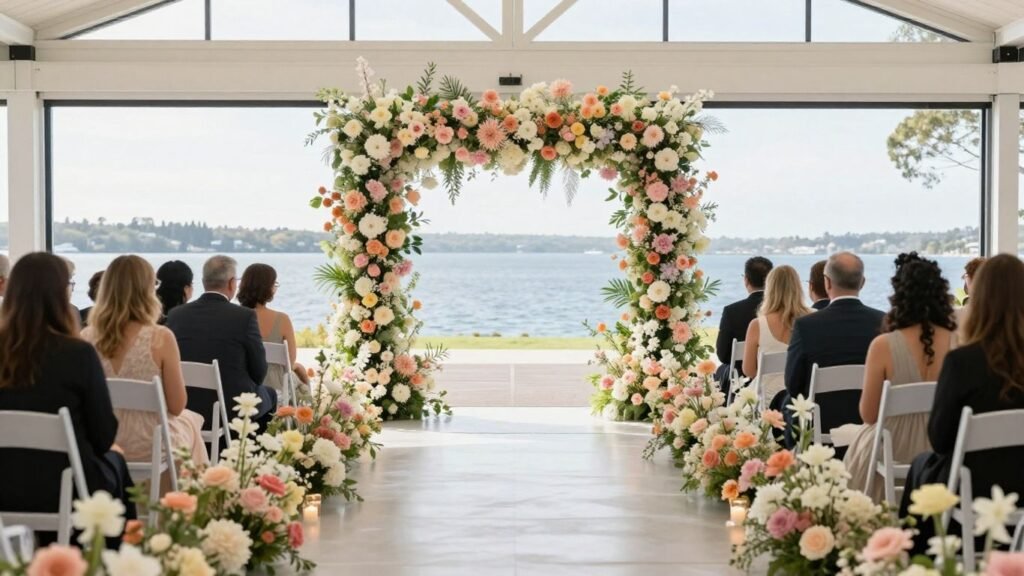
A successful flower wall hire Hobsons Bay booking starts with the venue, guest experience, and practical installation details—not just a pretty image online.
- Match the wall’s size and style to the event, venue, and photo area.
- Decide whether fresh or artificial flowers better suit the timing and setting.
- Compare delivery, setup, hire duration, deposits, and removal before booking.
- Request an itemized quote and allow time for design changes.
- Confirm access, dimensions, venue rules, and the setup-day contact plan.
Define your event’s flower wall needs
A flower wall can frame a ceremony, create a photo area, soften a corporate venue, or give a birthday celebration an instant focal point. Before looking at designs, decide what role the backdrop needs to play and how guests will interact with it. A clear brief makes it easier to compare quotes and avoid paying for details that will not matter on the day.
Match the backdrop to your event type
Weddings often call for a romantic or refined arrangement, while milestone birthdays can handle brighter colors and more movement. Corporate events may need a quieter design that leaves room for a logo or branded color palette. For a winter gathering, the setting itself matters as much as the flowers; ideas for an engaging indoor venue can be found in this winter group activity guide, even if your event is much smaller.
Think about whether the wall will sit behind a couple, a cake table, a speaker, or a line of guests. The purpose should guide the density, height, and amount of decoration around it.
Estimate the required wall size
Measure the usable width and height rather than relying on the room’s overall dimensions. A compact wall may work beautifully behind a signing table, but it can look undersized when guests stand in groups for photographs. Conversely, a large installation can crowd a narrow room or obstruct a view that the venue considers important.
Allow extra room for people to step back, especially if a photographer will use a larger camera or lighting equipment. Share a simple floor plan with the hire provider so the recommended dimensions are based on the actual space.
Choose between fresh and artificial flowers
Fresh flowers offer natural variation, fragrance, and a soft, tactile finish, but they require careful timing and may be more sensitive to heat, wind, and long setup periods. Artificial flowers are generally easier to schedule and can provide a consistent appearance throughout a long celebration. Ask how either option will be transported, secured, and protected before guests arrive.
Your choice should follow the venue conditions as well as the look you prefer. An indoor reception with controlled temperatures gives you more flexibility than an exposed waterfront or garden location.
Plan for guest photos and branding
Stand in the proposed photo position and check what will appear around the wall: ceiling fixtures, emergency signs, furniture, or a busy bar can all affect the finished images. Leave enough open floor space for couples, families, and small groups to gather without blocking the main route through the room. A useful photo test is to take a quick phone picture from the likely camera position before you finalize the design.
For promotional events, decide whether branding belongs on a freestanding sign, a small floral plaque, or a separate prop. A dynamic QR code can also direct guests to changing event information without requiring a reprint, as explained in this guide to dynamic QR codes; use that idea only if it genuinely serves the event.
Choose a style that suits your venue
The best flower wall feels connected to its surroundings rather than pasted onto them. Look at the venue’s existing colors, materials, furniture, and natural light before choosing individual blooms. A restrained palette can be just as striking as a dense, colorful arrangement when the backdrop is placed well.
Coordinate colours with your theme
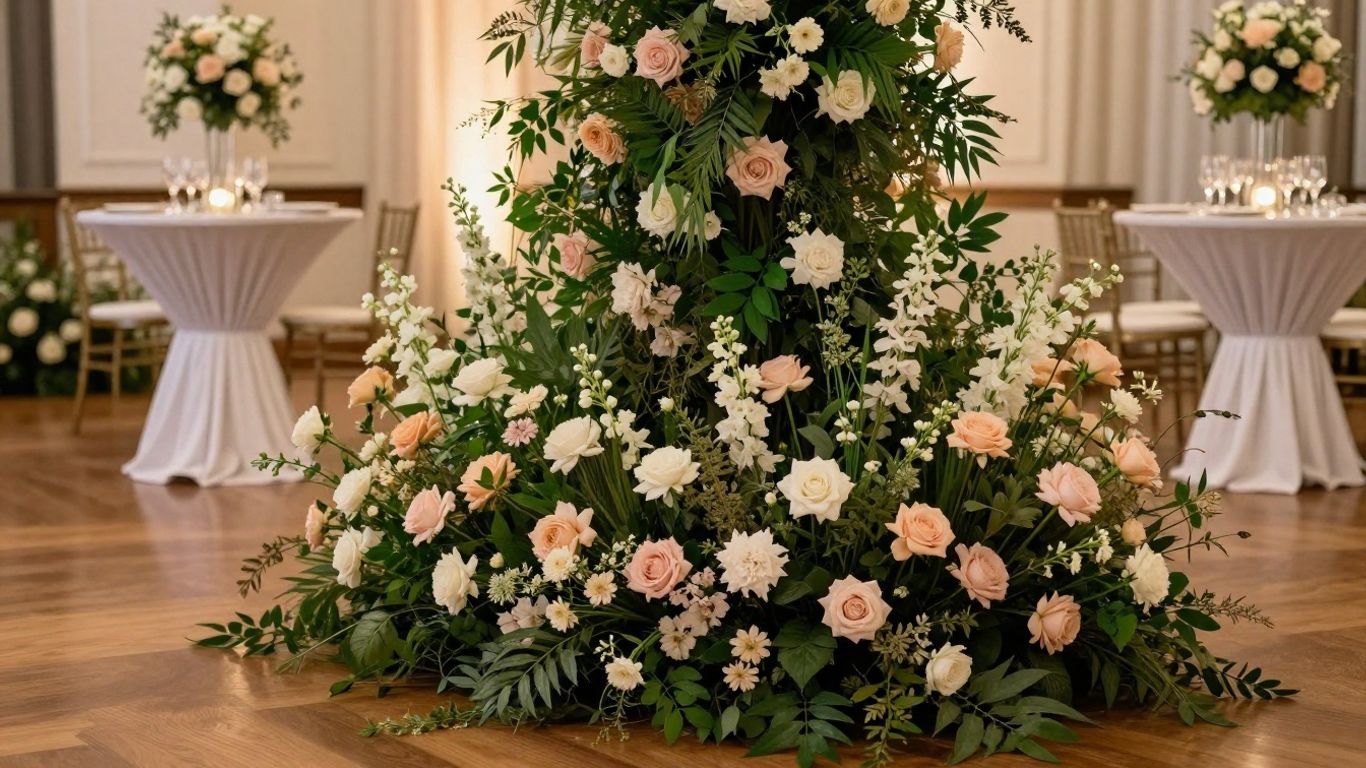
Start with two or three main tones and one supporting shade. Cream, blush, peach, and soft green create a gentle wedding palette, while deeper burgundy, coral, or blue can give a celebration more presence. Exact color matching is not always necessary; related tones usually photograph more naturally than flowers forced to look identical.
Bring fabric swatches, invitation colors, or a photograph of the room to the design conversation. If you are planning a wedding, this wedding flower style guide offers a useful way to think about venue, theme, and photographic color together.
Compare romantic, modern, and tropical designs
Romantic walls tend to use layered blooms, soft edges, and pastel shades. Modern designs may rely on stronger blocks of color, symmetrical spacing, or a limited selection of flower forms. Tropical styles can include broad leaves, vivid blooms, and a more relaxed, abundant silhouette.
Choose the mood that supports the occasion rather than simply following a trend. A modern arrangement may suit a clean gallery, while a loose tropical design can work well in a bright garden or waterfront room.
Consider venue architecture and lighting
Dark brick, polished concrete, timber, and pale plaster each change how a floral wall reads. Strong natural light can wash out pale flowers, while warm indoor lighting may make cream and peach tones appear richer. Visit the room at the event’s likely time, or ask the venue for photographs taken under similar lighting.
Pay attention to height as well. A wall that stops below a tall stage backdrop may look disconnected, whereas a lower installation can feel intentional beneath a low ceiling.
Use signage, logos, or custom details
Custom elements should support the flowers without competing with the people being photographed. A small name panel, monogram, event date, or logo can sit at the edge or near the base rather than covering the central floral pattern. Ask whether these details are supplied, hired separately, or brought by another supplier.
Keep the lettering large enough to read in photographs, but not so large that every image becomes a sign portrait. If a backdrop is being used for a corporate function, agree on logo colors and placement before production begins.
Find the best Hobsons Bay placement
Hobsons Bay venues can range from intimate indoor rooms to waterfront and garden settings, so placement deserves its own decision. Williamstown and nearby suburbs offer different levels of exposure to weather, foot traffic, and public access. The most attractive wall will still underperform if it sits in a cramped corner or interrupts the event flow.
Popular venue types in Williamstown and nearby suburbs
Consider reception rooms, yacht clubs, community halls, restaurants, studios, gardens, and private homes. Waterfront venues may provide beautiful natural light, while indoor rooms offer more control over wind, temperature, and timing. For a local function setting, Hobsons Bay Yacht Club is one example of a waterfront-oriented venue to investigate, subject to its current function rules and availability.
Ask the venue manager where a freestanding structure may safely be installed. Their preferred location may differ from the spot that first looks best in a photograph.
Indoor versus outdoor installation
Indoor placement usually makes it easier to manage lighting, temperature, and access. Outdoor installations need a stronger plan for wind, uneven ground, rain, sunlight, and public movement. Some flower walls may not be suitable for exposed conditions, so ask the provider what the structure can safely withstand rather than assuming every design is outdoor-ready.
Have a weather alternative if the event is outside. A nearby covered position can protect both the flowers and the guests without forcing a rushed change on the day.
Account for entrances, stages, and walkways
A backdrop should be visible without becoming an obstacle. Keep entrances, exits, accessible routes, service doors, and fire equipment clear. If it sits behind a stage, check sightlines for speakers and performers; if it is near a bar or dance floor, allow room for queues and movement.
Walk through the space as a guest would. This simple test often reveals that the ideal photo position is too close to a doorway or that the wall needs to rotate slightly to avoid glare.
Check access, power, and setup requirements
Confirm loading access, parking, elevators, stairs, door widths, and the distance from the unloading point to the installation area. Some designs may use lighting or other accessories, which means the provider needs to know where power is available and whether cables can be safely routed.
Write down the venue’s bump-in window and any restrictions on noise, trolleys, wall fixings, or setup crew access. These details prevent avoidable delays and help the provider quote accurately.
Compare flower wall hire packages
Hire packages can look similar while including very different levels of service. One quote may cover only the wall, while another includes delivery, installation, styling, and removal. Read each proposal as a practical plan for the day, not merely as a price for flowers.
Understand what the hire fee includes
Ask whether the package includes the frame, florals, base, lighting, signage, delivery, setup, pack-down, and tax where applicable. Confirm whether the displayed design is the exact product or an example that may change according to availability. If accessories appear in portfolio photographs, check whether they are included or optional.
A written description is especially helpful when several people are involved in planning. It gives you something concrete to compare if the design or scope changes later.
Check delivery, setup, and removal services
Delivery times should work with the venue’s access window and the rest of the supplier schedule. Clarify who carries the wall inside, assembles it, positions it, and removes it after the event. Do not assume that a delivery fee includes installation or that removal can happen at any time.
For large or delicate structures, ask how many crew members attend and how long setup normally takes. The answer helps the venue coordinate rooms, catering, photography, and speeches without unnecessary overlap.
Review hire periods and booking flexibility
A short hire period may be enough for an evening party, while a ceremony and reception at different times may require longer access. Check the collection deadline and what happens if the event runs late. It is also worth asking whether the date, venue, size, or style can be changed after the booking is made.
Use this comparison to keep the scope realistic:
| Package detail | Basic hire | Full-service hire | Custom hire |
|---|---|---|---|
| Floral wall | Standard design | Selected design | Designed to brief |
| Delivery | Often limited | Usually coordinated | Confirm by quote |
| Setup and removal | May be extra | Commonly included | Confirm crew and timing |
| Signage or lighting | Usually optional | May be available | Priced separately or included |
The table is a starting point, not a substitute for the agreement. A lower package price may cease to be lower once delivery, setup, accessories, and extended hours are added.
Ask about damage deposits and cancellation terms
Find out whether a refundable deposit applies and what conditions could reduce the refund. Ask how the provider handles accidental damage, outdoor weather, postponement, and cancellation. The timing of any final payment should also be clear.
If your date is uncertain, look for a written rescheduling policy rather than relying on a casual promise. It is much easier to make a calm decision when the terms are visible before money changes hands.
Plan your budget and booking timeline
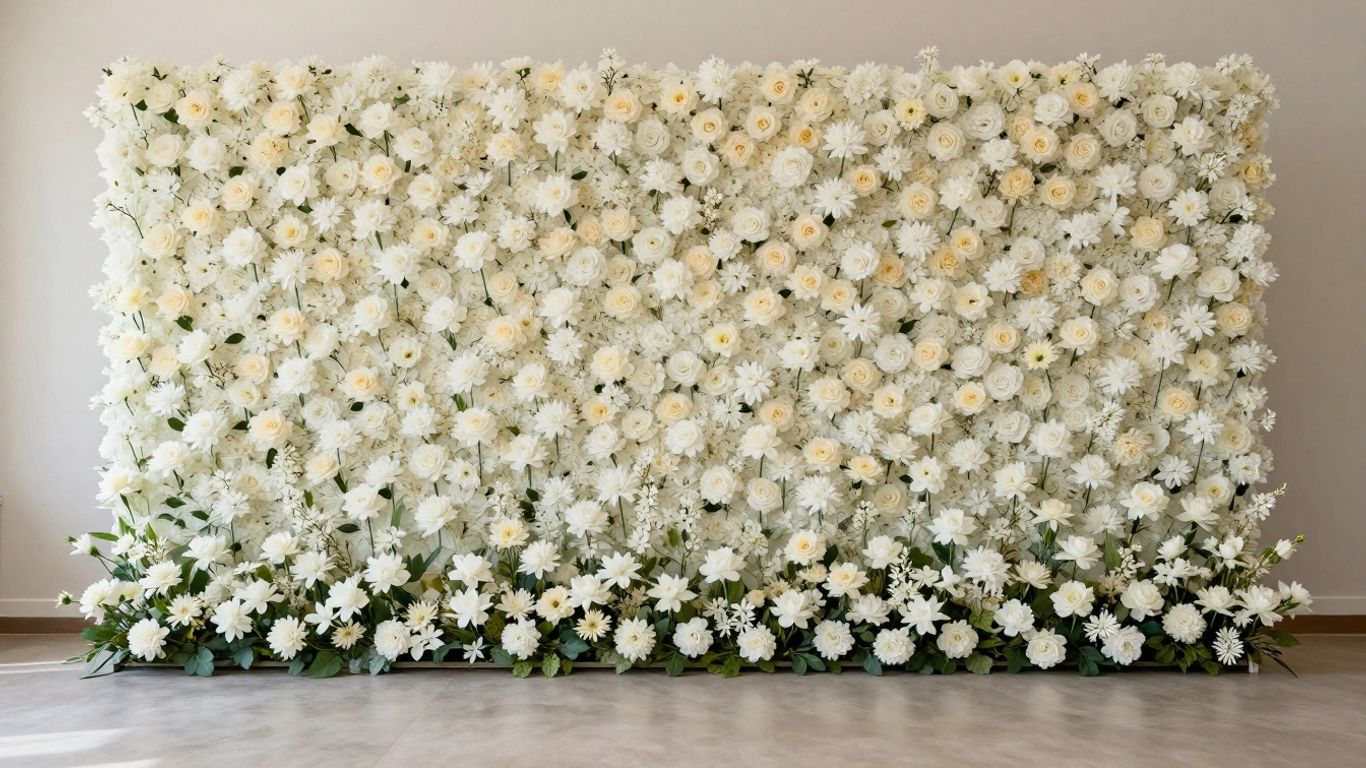
A sensible budget covers more than the floral surface. Transport, access, installation time, custom elements, and the length of the hire can all affect the final figure. Start with the parts guests will see most clearly, then decide which extras genuinely improve the experience.
Identify the main factors affecting price
Size, flower type, density, seasonality, design complexity, delivery distance, setup conditions, and hire duration are common price drivers. A wall that needs to be carried up stairs or installed outdoors may require more labor than the same wall in an accessible indoor room. Custom signage and lighting can also change the scope.
Prioritize the backdrop’s main job. If it is primarily for photographs, invest in scale and a clean camera angle before adding small decorative pieces that may disappear in the final images.
Request an itemised quote
Give each provider the same information: date, suburb, venue type, dimensions, preferred style, access limits, setup window, and removal requirements. Ask for line items rather than a single total, and check whether tax, travel, labor, and accessories are included.
A detailed quote makes revisions easier. It also helps distinguish a genuinely better package from one that simply leaves several costs unstated.
Book around peak wedding and event dates
Popular Saturdays, holiday periods, and wedding seasons can limit both design choice and crew availability. Book once the venue and date are reasonably secure, especially if you want a custom arrangement. If you are considering the Williamstown Botanic Gardens, review garden wedding planning and allow time for any required permit process.
Do not book so early that the brief is still vague. The useful middle ground is a confirmed date, a likely venue layout, and enough time for the provider to make and approve the design.
Allow time for design approvals and changes
Set a deadline for choosing the palette, approving a reference image, confirming dimensions, and supplying logos or signage artwork. Keep the final version in one email or document so the provider, venue, and planner are working from the same information.
If you are adding unusual entertainment or a specialized activity, check its space and timing before locking the wall position. A backdrop should complement the program, not compete with it; even unrelated planning references such as CognitiveMetrics or a day trading guide illustrate why the right scope needs to be agreed before execution.
Evaluate local flower wall hire providers
Local experience can be useful because providers may already understand common venue access patterns and event schedules in the area. Still, proximity alone does not guarantee a good fit. Compare the quality of communication, the clarity of the quote, and the provider’s ability to answer practical questions.
Review portfolios and recent event examples
Look for photographs taken at real events rather than only styled studio images. Check whether the wall remains full at the edges, how the base is finished, and how it looks in both close-up and wider room photographs. Recent examples can also show whether the provider’s current inventory matches older promotional images.
Ask for a design that resembles your proposed dimensions and setting. A wall that looks excellent in a square social-media crop may feel very different in a long, low room.
Check testimonials and service experience
Read reviews for comments about punctuality, communication, setup quality, and problem-solving. A beautiful product matters, but so does the provider’s conduct when a venue changes its access time or a design needs a small adjustment. Ask how many people will be involved on the day and who will be your main contact.
Be cautious with vague praise that says little about the actual service. Specific comments about delivery and pack-down are more useful than general statements about appearance.
Confirm insurance and venue requirements
Many venues request public liability insurance, safe installation methods, and supplier details before approving a structure. Confirm whether the hire provider can supply the documents your venue needs. Also ask whether the venue has rules about attaching items to walls, using candles, blocking exits, or running electrical cables.
If the provider cannot answer a basic safety question, pause before signing. The venue and hire company should agree on the installation method in advance.
Ask questions before signing the agreement
Use a short written question list so no important detail gets lost in a phone conversation. Useful questions include:
- What exact wall, frame, and accessories are included?
- Who delivers, installs, supervises, and removes it?
- What happens if weather or venue access changes?
- When are the final design and payment due?
The answers should appear in the quote or agreement wherever possible. Clear documentation protects both sides and gives your venue a reliable reference for the event schedule.
Prepare for a seamless installation
The final week is about confirmation rather than fresh decisions. Recheck the space, schedule, design, and responsibilities with the people who will actually be present on setup day. A few short messages can prevent a surprisingly large amount of confusion.
Confirm the final design and dimensions
Approve the floral colors, density, frame size, base finish, accessories, and signage before the production deadline. Keep a final reference image or written description and compare it with the contract. If the wall is being positioned behind a couple or group, confirm the clear floor area as well as the wall itself.
Make sure any logos or names have been proofread. Small errors become much more noticeable when they are repeated in every event photograph.
Coordinate with your venue and other suppliers
Send the provider’s arrival time, vehicle details, contact number, and footprint to the venue. Let the photographer, planner, caterer, and lighting supplier know where the wall will sit so their equipment and furniture do not block it. If the backdrop shares a stage or photo area, agree on the order of setup.
This is also the moment to confirm whether guests can move the wall or props. Most freestanding installations should remain under the provider’s control.
Create a setup-day contact plan
Choose one person to answer questions on the day, ideally someone who is not responsible for hosting, photography, or speeches at the same time. Share the venue address, access instructions, loading point, event timeline, and backup contact with the hire crew.
Keep the plan simple. It should tell the crew where to go, who can approve a minor placement change, and when the finished wall must be ready.
Inspect the finished backdrop before guests arrive
Check the wall from the guest approach, the intended camera angle, and a wider room view. Look for unstable bases, visible gaps, blocked paths, stray packaging, glare, and signage that sits too high or low. If something is not as agreed, raise it before the room fills and the schedule becomes tight.
Take a quick reference photograph once everything is approved. It can help the provider restore the agreed position if furniture or decorations are moved during the event.
Conclusion
The perfect flower wall is the one that suits the event, photographs well, and arrives without creating extra stress. By confirming the design, package terms, venue conditions, budget, and installation plan in writing, you can choose flower wall hire Hobsons Bay with much greater confidence.
Frequently Asked Questions
How far in advance should I book a flower wall?
Book once your date and venue are confirmed, ideally several weeks or months ahead for peak Saturdays, weddings, and custom designs. Earlier booking gives you more choice of style and allows time for approvals.
What size flower wall do I need?
Choose a size based on the photo area, number of guests likely to stand in front of it, ceiling height, and available floor space. Measure the location and share the dimensions with the hire provider.
Are fresh or artificial flowers better for an event?
Fresh flowers provide natural variation and fragrance, while artificial flowers offer predictable scheduling and may handle longer hire periods more easily. Venue conditions, weather, budget, and personal preference should guide the decision.
Can a flower wall be installed outdoors?
Some can, but outdoor use depends on wind, rain, sunlight, ground conditions, and the stability of the structure. Ask the provider about site suitability and arrange a covered backup location where possible.
Does flower wall hire usually include setup?
Not always. Some packages include delivery, installation, and removal, while others charge for these services separately. Check the quote for each item rather than assuming it is included.
Can I add a sign or logo to the backdrop?
Often, yes, but the options depend on the design and provider. Confirm the artwork, dimensions, colors, mounting method, and additional cost before the final approval deadline.
What should I check before guests arrive?
Inspect the wall’s stability, position, lighting, photo angle, clear walkways, signage, and overall finish. Make sure packaging and equipment have been removed and that the venue contact knows the installation is complete.