Key Takeaways
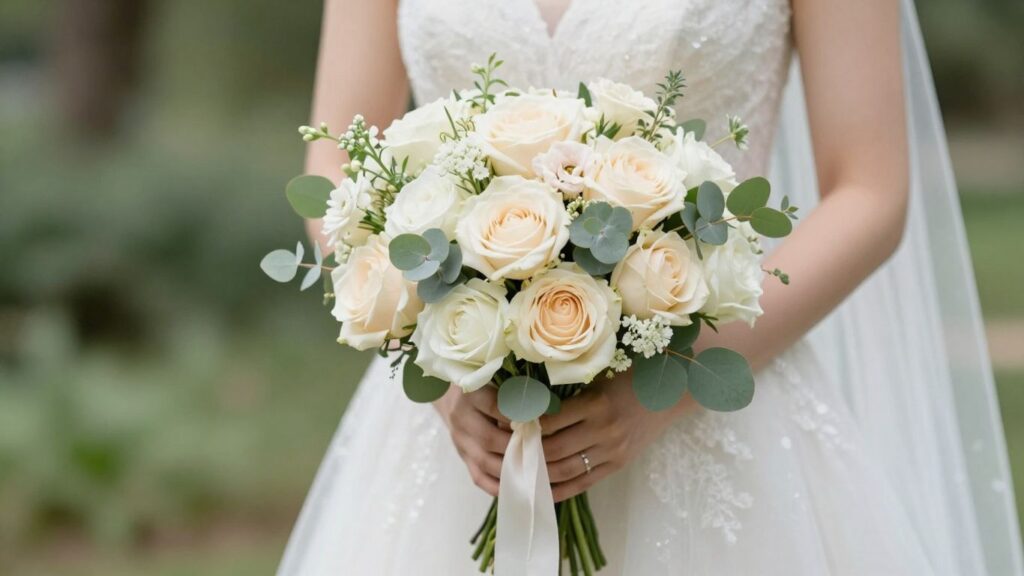
A beautiful wedding bouquet begins with a clear idea of style, season, and comfort. These practical choices will help you plan a wedding bouquet Altona that feels personal and photographs naturally.
- Choose a bouquet shape that works with your dress and ceremony setting.
- Use seasonal flowers where possible, while planning for Altona’s changing weather.
- Set a budget that includes design, delivery, setup, and flowers for the wedding party.
- Compare florist portfolios and confirm availability before falling in love with a design.
- Plan storage, transport, and preservation before the wedding day arrives.
Define your wedding bouquet style
Your bouquet should feel like part of the wedding rather than a separate decoration. Start with the mood you want guests to notice: relaxed and garden-like, formal and sculptural, romantic, modern, or quietly minimal. Once that direction is clear, flower choices become much easier to narrow down.
Match the bouquet to your wedding theme
A loose arrangement of seasonal stems suits a garden ceremony, while tightly gathered flowers can look more at home at a formal venue. Rustic weddings often benefit from visible foliage and slightly varied stem lengths; contemporary celebrations may call for a restrained palette and clean lines. Browse custom wedding flowers for another way to think about matching the bouquet to the overall event style.
Choose a shape that complements your dress
The outline of the bouquet matters as much as the flowers themselves. A rounded posy can balance a fitted dress, while a cascading arrangement may echo a flowing skirt or train. If your gown has detailed lace or beading, a simpler shape can keep the look from becoming visually crowded.
Balance colors, textures, and greenery
Choose one main color family, then add a supporting shade and a small amount of contrast. Texture keeps a soft palette from looking flat, so combine rounded blooms with airy flowers, buds, or interesting foliage. A restrained color palette usually gives the bouquet a more polished appearance than trying to include every favorite flower.
Consider the bouquet’s size and weight
You should be able to hold the bouquet comfortably for portraits, vows, and the walk back down the aisle. Ask your florist to consider the handle length, water weight, and the number of flowers needed for the shape you prefer. A bouquet that looks generous but becomes tiring after ten minutes is not a successful design.
Choose flowers for the Altona wedding season
The wedding date will influence availability, price, color, and durability. Seasonal flowers tend to look more at home in their surroundings and may give your florist more flexibility when sourcing stems. Still, a thoughtful plan should allow for substitutions if a crop is delayed or weather affects supply.
Select flowers that are naturally in season
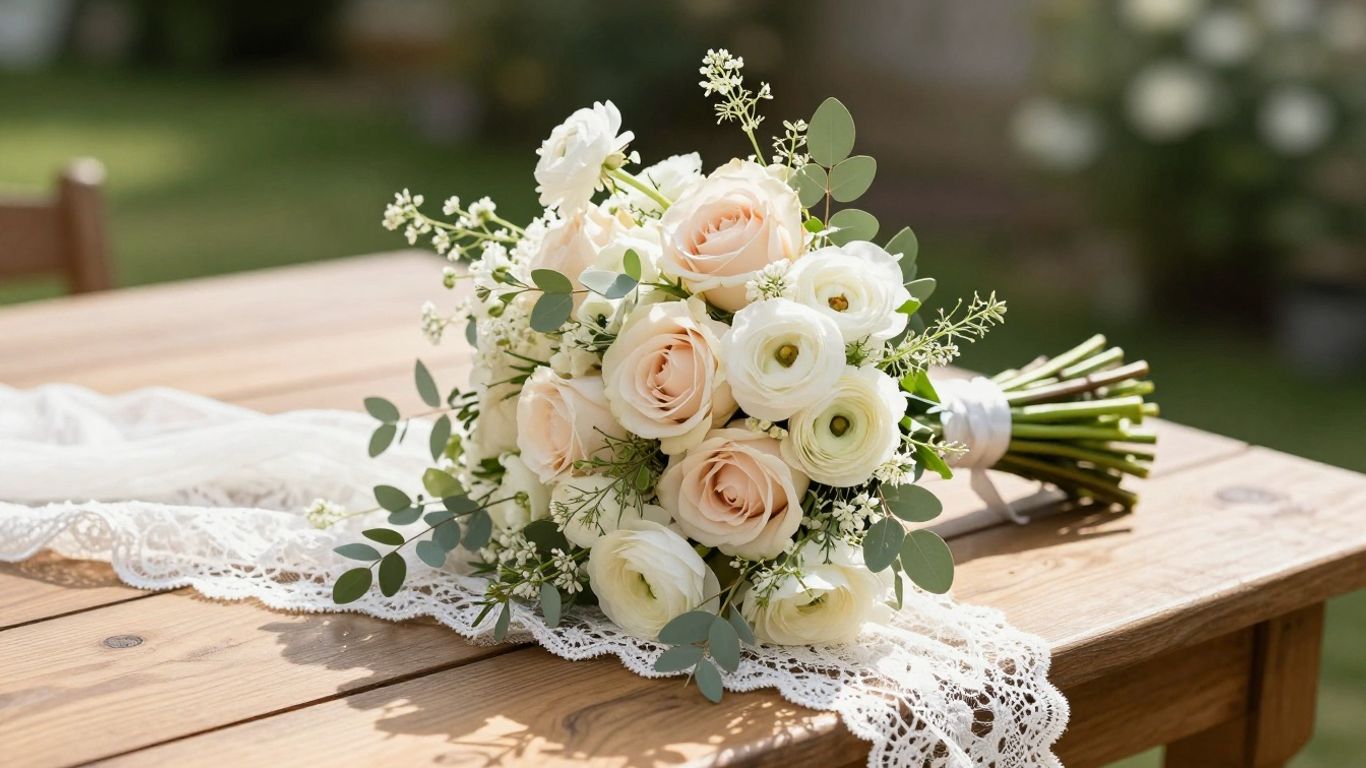
Ask which flowers are likely to be at their best during your wedding month, then build the design around those options. You do not need to know every flower name before your consultation; a few preferred colors and a general mood are enough to begin. Seasonal availability can also make a custom bouquet feel less predictable and more connected to its setting.
Compare local blooms with imported varieties
Local and imported flowers each have a place in wedding design. Imported varieties may offer a specific color or flower form, while locally available stems can provide freshness and a more relaxed character. Rather than treating one choice as automatically better, ask about quality, timing, substitutions, and how each option affects the quotation.
Plan for heat, cold, and changing weather
A wedding day can move between cool preparation rooms, warm vehicles, bright outdoor photographs, and an air-conditioned reception. Tell your florist about every location and how long the bouquet may be out of water. This information helps determine flower selection, wrapping, and the best delivery window.
Use hardy flowers for outdoor ceremonies
For an outdoor ceremony, favor flowers that can tolerate handling and a period away from refrigeration. Your florist may suggest sturdy focal blooms, durable filler flowers, and foliage that will not wilt quickly. Keep a clean water source nearby before the ceremony, and avoid leaving the bouquet in direct sun while waiting for photographs.
A simple preparation checklist can keep weather decisions practical rather than stressful:
- Confirm the ceremony and portrait locations with your florist.
- Ask which stems are most reliable for the expected conditions.
- Arrange a cool, shaded holding place at the venue.
- Identify who will carry and return the bouquet between events.
These details are small, but they protect the design you have paid for and make the day easier for everyone handling the flowers.
Set a realistic wedding bouquet budget
A bouquet quotation reflects more than the visible flowers. It may include design time, sourcing, conditioning, mechanics, wrapping, delivery, and the labor required to create a particular shape. Set a comfortable range before your consultation, then be open about it so the florist can make useful recommendations.
Understand what affects bouquet pricing
Flower type, season, quantity, size, mechanics, and design complexity all influence cost. Rare colors and heavily wired arrangements often require more labor than a simple hand-tied bouquet. Delivery distance and timing can matter too, especially when flowers must arrive in a narrow window.
When planning the wider wedding budget, keep your comparisons organized. The same habit used for researching a subscription billing system, reviewing income protection advice, or considering team necklace costs is useful here: compare what is actually included rather than judging a headline price alone.
Decide where to invest and where to save
Spend more on the elements guests will see closely or that matter most in photographs, such as the bridal bouquet and ceremony focal flowers. You can save by reusing arrangements, choosing fewer flower varieties, or selecting seasonal stems with abundant availability. A smaller bouquet with excellent proportions often looks more intentional than a large design built from too many compromises.
Compare custom designs with standard packages
A standard package can make ordering straightforward, while a custom design gives you more control over shape, color, and flower selection. Ask whether substitutions are allowed, how many consultation rounds are included, and what happens if a preferred flower is unavailable. Written details make different proposals easier to compare fairly.
Account for delivery, setup, and additional flowers
Remember to ask about bouquets for attendants, boutonnières, corsages, ceremony flowers, and any reception pieces. Delivery and setup may be separate line items, even when the bouquet itself is quoted clearly. A planning worksheet like a remodel flooring guide can be useful for the general budgeting principle of separating core materials from installation, though the floral decisions remain entirely your own.
| Bouquet decision | Typical budget effect | Question to ask |
|---|---|---|
| Flower availability | Seasonal stems may offer more flexibility | What is reliably available that month? |
| Bouquet shape | Complex mechanics add labor | How much preparation does this shape require? |
| Flower quantity | Larger designs use more stems | Can the same look work at a smaller scale? |
| Delivery and setup | Timing and distance affect service costs | Which services are included in the quote? |
Once these categories are separated, you can decide what to adjust without losing the character of the design. A florist should be able to explain the trade-offs in plain language.
Find a wedding florist in Altona
Choosing a florist is partly about style and partly about communication. Look for someone whose portfolio includes the scale, looseness, color work, and level of finish you want. You can also use Altona florist pricing as a comparison point when researching vendors, but always confirm current details directly with the florist.
Review local florist portfolios
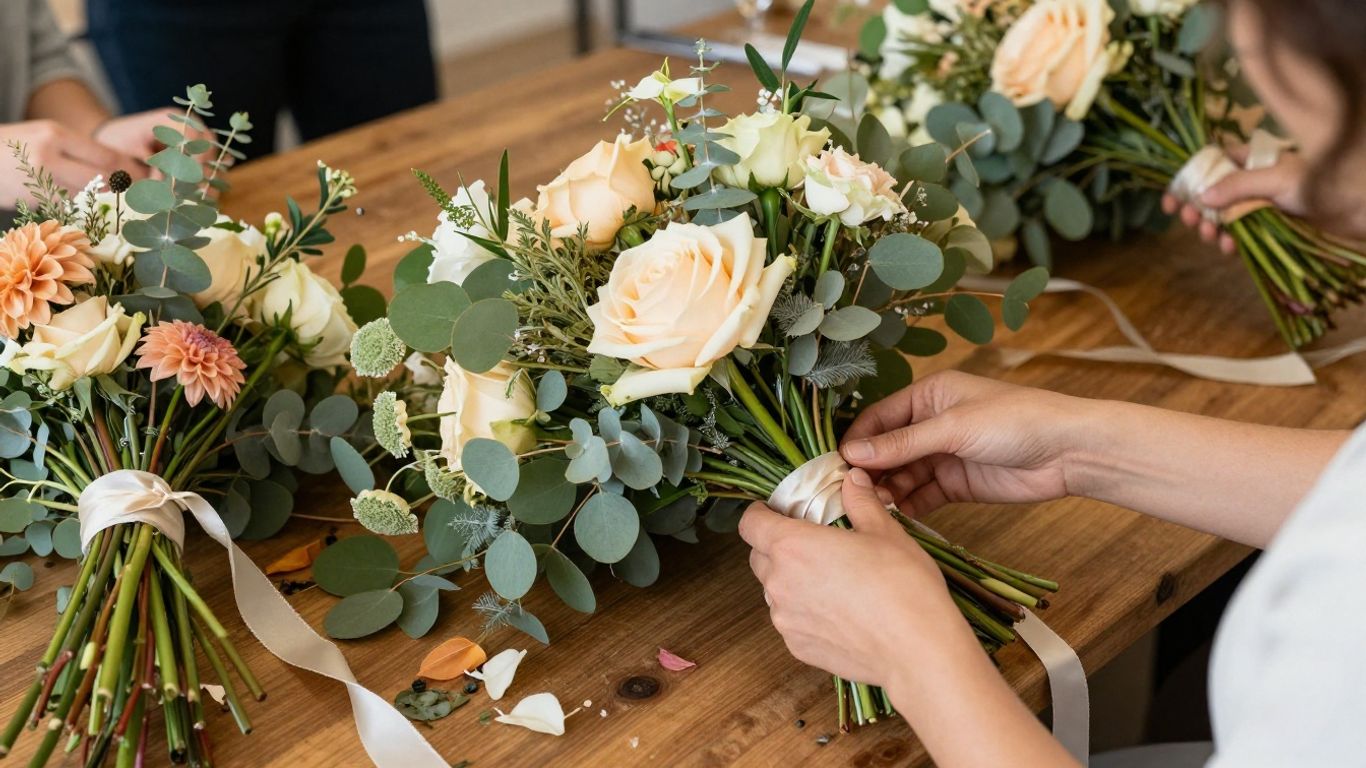
Study complete wedding galleries rather than a single favorite bouquet. Notice how the flowers look in different lighting, whether bouquets are consistent with the ceremony arrangements, and how the florist handles both close-up details and larger installations. A portfolio should help you understand the designer’s natural visual language.
Ask about consultations and custom designs
A good consultation should leave you with clearer options, not more confusion. Bring your date, venue information, dress details, approximate guest count, and budget range. Ask how the florist develops a proposal, whether revisions are included, and how substitutions are handled when exact flowers cannot be sourced.
Confirm availability for your wedding date
Popular dates can book well ahead, particularly during busy wedding seasons. Ask whether the florist will personally design the flowers, how many events the team accepts on one day, and when a deposit is due. Do not wait for every design detail to be perfect before checking availability.
Check delivery areas and installation services
Confirm the delivery address, arrival window, setup responsibilities, collection arrangements, and any venue access requirements. If you need flowers at more than one location, list each address and timing in writing. For broader inspiration, fresh flower delivery in Altona may help you think through delivery expectations, although wedding service details should be confirmed directly.
Plan the bouquet details with your florist
The best floral consultations are collaborative. You do not have to arrive with a finished recipe; you do need to explain what you like, what you dislike, and what the bouquet must do during the day. Clear references give the florist room to create while keeping the result anchored to your vision.
Bring photos, fabric swatches, and color references
Photographs of your dress, shoes, venue, stationery, and table settings can reveal the wedding’s visual rhythm. Fabric swatches are especially helpful because colors can look different on a phone screen. Include examples you do not like as well as favorites, since contrast often communicates your preferences more precisely.
Discuss flower allergies and scent preferences
Mention hay fever, latex sensitivity, strong fragrances, or any household allergies early. Some flowers and foliage have noticeable scents, while others release pollen more readily. Your florist can then suggest alternatives and avoid placing an uncomfortable stem close to your face for several hours.
Coordinate bouquets for the wedding party
Bridesmaid bouquets can echo the bridal bouquet without being identical. Consider reducing their size, using fewer flower varieties, or changing the balance of color so the main bouquet remains distinctive. Boutonnières and corsages should share one or two visual details rather than repeating every flower.
Confirm the final design and order timeline
Before approving the order, confirm the bouquet size, handle finish, flower preferences, substitution policy, delivery details, payment schedule, and cancellation terms. Ask when the final flower list is reviewed and who should be contacted with day-of questions. If you are also organizing other automated planning tasks, a marketing workflow guide offers a useful general reminder: assign clear steps and owners rather than relying on memory.
Keep your bouquet fresh from delivery to reception
Freshness depends on time, temperature, and careful handling. Even hardy flowers benefit from a cool holding area and a short gap between delivery and the ceremony. Decide these practical details with the florist and venue before the wedding day, when every minute may feel occupied.
Schedule delivery at the right time
Delivery should be close enough to the ceremony that the bouquet spends little time waiting, but early enough for inspection and photographs. Allow a buffer for traffic, venue access, and minor finishing adjustments. Ask who receives the flowers and where they should be placed immediately after arrival.
Store the bouquet in suitable conditions
Keep it upright in a cool, shaded room away from heaters, direct sunlight, strong drafts, and ripening fruit. Do not put the bouquet in a household refrigerator unless your florist specifically recommends it, since temperature and humidity can damage delicate flowers. Handle the stems and ribbon gently when moving it.
Transport it safely to the ceremony
Use a stable container that supports the bouquet without crushing the blooms. Keep it upright during the journey, secure it from sliding, and avoid placing bags or clothing on top. Once at the venue, return it to a cool holding place until portraits or the processional begins.
Preserve the bouquet after the wedding
If you want to keep the flowers, decide whether you prefer pressing, air-drying, professional preservation, or photographing the bouquet before it changes. Ask about preservation before the wedding because some methods require quick preparation. Even a few saved petals or a ribbon from the handle can become a simple, meaningful keepsake.
Conclusion
The perfect wedding bouquet is not necessarily the largest or most expensive one; it is the arrangement that suits your dress, setting, season, budget, and comfort. With an honest consultation and a clear delivery plan, your Altona flowers can feel beautiful from the first photograph to the final dance.
Frequently Asked Questions
How far in advance should I book a wedding florist?
Booking several months ahead is sensible, and earlier planning may be helpful for popular dates or elaborate floral work. Begin by checking availability, then develop the design and flower list after the date is secured.
Which flowers are best for an outdoor wedding?
Choose flowers known for holding up well during handling and short periods away from water. Your florist can recommend options based on the wedding month, expected temperature, shade, travel time, and ceremony location.
How much should a wedding bouquet cost?
There is no single appropriate price because size, flower type, season, labor, mechanics, delivery, and design complexity vary. Request an itemized quotation and decide which floral elements matter most to you.
Should my bridesmaids’ bouquets match mine?
They can coordinate without being exact copies. Repeating a color, foliage type, or one flower creates cohesion, while changing size or proportions keeps the bridal bouquet visually distinct.
What should I bring to a florist consultation?
Bring your wedding date, venue details, dress photographs or fabric, color references, budget range, and images of bouquets you like. A few examples of styles you dislike can be equally helpful.
How do I keep my bouquet fresh during the wedding day?
Keep it cool, shaded, upright, and away from heaters or direct sun. Arrange delivery near the ceremony, provide a safe holding area, and follow the florist’s specific care instructions.
Can a wedding bouquet be preserved?
Yes, depending on the flowers and the preservation method. Discuss pressing, drying, or professional preservation before the wedding so the bouquet can be prepared promptly after the celebration.