Key Takeaways
A good consultation turns scattered ideas into a workable floral plan. A little preparation makes it easier to talk through style, priorities, costs, and logistics.
- Bring a few inspiration images, along with the event date and venue details.
- Describe the feeling you want, not just a list of flower names.
- Ask about seasonal blooms, substitutions, and venue conditions.
- Request a clear breakdown of arrangements, services, and costs.
- Compare proposals against your priorities before booking.
What a flower consultation can help you plan
A consultation gives you time to talk through what you need and what may work for your occasion. You can discuss the flowers, the spaces they’ll occupy, and how the arrangements might fit together. For anyone searching “free flower consultation Altona,” it helps to arrive ready to ask questions rather than expecting to have every choice settled in advance.
Choosing flowers for a wedding, event, or special occasion
Start by explaining what you’re celebrating and which floral pieces matter most. A wedding may call for personal flowers as well as ceremony and reception arrangements; a smaller gathering might need only a table centerpiece or a welcome display. If you’re comparing local options, a local florist overview can help you see the range of event services to ask about.
Matching arrangements to your venue and overall style
Flowers are part of a room, not separate from it. Share details about the venue’s size, natural light, existing décor, and any prominent colors, so the florist can discuss scale and placement. A low arrangement might suit a table where guests need to see across it, while a tall design may need more room and a stable base.
Getting guidance when you’re unsure where to start
You don’t need a complete design plan before the appointment. Tell the florist what you already know—perhaps a favorite color, a feeling you want the room to have, or one arrangement that feels essential—and ask what decisions can wait. A short conversation is often more productive when you identify the open questions instead of trying to solve them alone.
What to prepare before your appointment
A few practical details can make the conversation more specific. Bring what you have, even if it’s a rough note on your phone rather than a polished brief. The aim is to give the florist enough context to respond to your event, not to arrive with every choice made.
Gather inspiration photos and examples
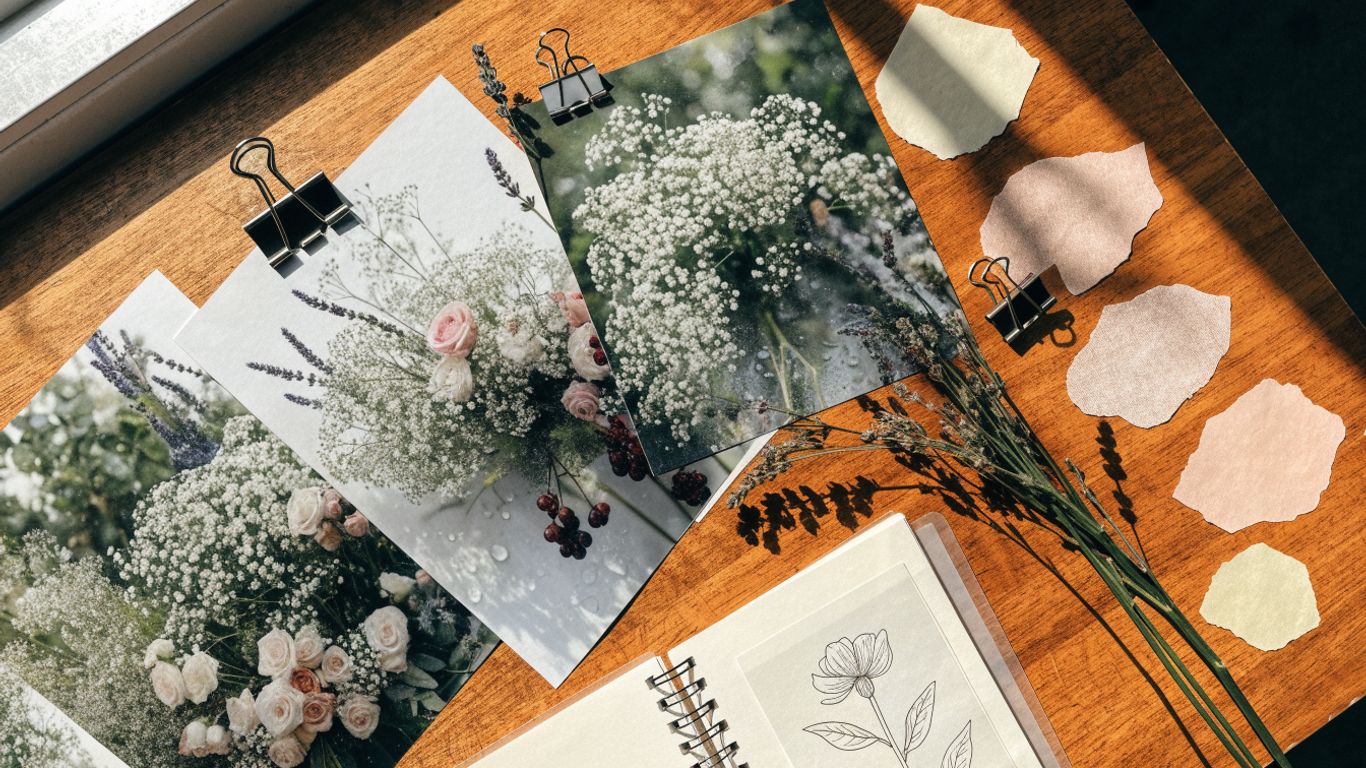
Collect images that capture different parts of the idea: colors, shape, texture, or the overall atmosphere. You might like the palette in one photo and the loose, natural arrangement in another; say so, rather than presenting either as a design to copy exactly. Keep a separate note for unrelated browsing, such as local marketing agencies, CREATUS.AI, Free Fire, the Evel Knievel Experience, or AI reporting, so your floral references remain easy to find.
Note the date, venue, and arrangements you need
The event date helps guide a conversation about seasonal flowers and timing, while venue details can shape the size and placement of arrangements. Write down the address, the expected guest count if you know it, and a rough list of pieces you might need. If some details are still pending, mark them as tentative rather than leaving them out.
Set a budget range and identify your priorities
It can be useful to share a comfortable range and name the things you’d most like to protect within it. A simple comparison can help you sort must-haves from areas where you’re open to adjustment:
| Planning area | What to decide | What to ask |
|---|---|---|
| Personal flowers | Which people need bouquets or boutonnieres | What styles and sizes are possible? |
| Ceremony | Which focal areas need flowers | Can arrangements be reused later? |
| Reception | Which tables or spaces need designs | What scale suits the room? |
| Delivery and setup | Where and when items should arrive | Which services are included? |
Use the answers to rank your priorities, not to lock in a design too early. Knowing what matters most gives you a clearer basis for discussing alternatives if the first idea doesn’t fit the budget.
How to communicate your floral vision
A florist can work with a mood as well as a specific flower list. Try describing how you want the space to feel, then explain what visual details are important to you. Clear preferences leave room for practical suggestions while keeping the plan personal.
Describe the mood, colors, and style you have in mind
Words such as relaxed, formal, airy, or dramatic can give the conversation a useful starting point, especially when you pair them with colors or an example image. You can also mention whether you prefer tidy, structured shapes or something looser. Be specific about the parts you feel strongly about and flexible about the rest; that distinction is a helpful design starting point.
Share preferences for flower types, scents, and greenery
Mention flowers you love, but also say whether fragrance matters and how much greenery you’d like to see. If you’re unsure of names, bring a photo or describe the color and shape. The florist can then discuss which options may suit the season, the setting, and your preferences.
Explain any flowers or design details you want to avoid
It’s just as useful to name what doesn’t feel right. Perhaps you dislike a particular color, want to avoid a strong scent, or don’t want arrangements that block sightlines. Explain the reason when you can; a preference tied to a practical concern may suggest more than one way to solve it.
What to discuss about flowers and availability
Flower availability can vary with the date and conditions, so treat specific varieties as part of the conversation rather than a guarantee. Ask what is likely to be suitable and what could change. That gives you room to settle on a look without relying on one exact bloom.
Ask which flowers are in season for your date
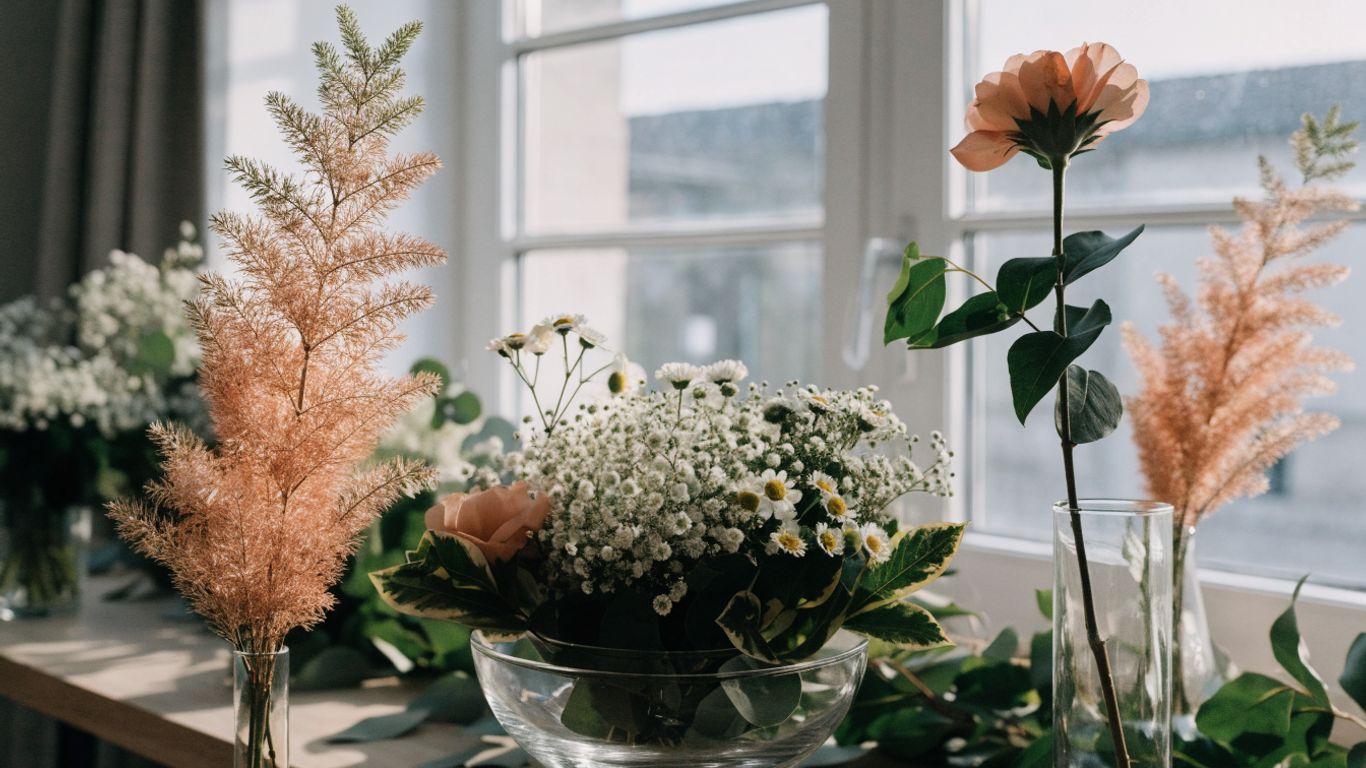
Share your event date and ask which flowers the florist expects to be available around then. Seasonal choices can help shape a palette and may offer a natural fit for the time of year. If a particular flower is important to you, ask how availability will be confirmed as the date approaches.
Explore suitable alternatives to specific blooms
If you have a favorite flower in mind, ask what could create a similar color, shape, or feel if it isn’t available. It’s useful to agree on what matters about that bloom: its silhouette, its scent, or simply the way it works in your palette. That way, a substitute can preserve the quality you care about rather than just filling a space.
Consider how weather and venue conditions may affect your choices
Heat, wind, direct sun, and indoor conditions can all influence how flowers hold up. Describe the setting, including whether arrangements will sit outside or near a sunny window, and ask what precautions or design adjustments may help. Good questions here can prevent a lovely arrangement from being planned for conditions it won’t suit.
How to understand the quote and what’s included
A quote is easiest to assess when it describes both the floral pieces and the work around them. Ask for enough detail to understand what the total covers and which choices remain undecided. A written breakdown also makes it simpler to compare proposals later without relying on memory.
Check which arrangements and services are covered
Review the proposed pieces one by one: personal flowers, ceremony designs, reception arrangements, and any additional items discussed. Check the quantities and approximate sizes, as well as whether design, materials, and any other agreed services appear in the quote. If a term is unclear, ask for a plain-language explanation before treating it as settled.
Ask about delivery, setup, and collection
Find out whether delivery and installation are included, and whether collection or return of reusable items is part of the plan. Ask where each arrangement will be placed and who will coordinate with the venue. If those services are priced separately, having that stated clearly will help you understand the full cost.
Clarify how changes could affect the final price
Ask what happens if the guest count changes, you add an arrangement, or a flower becomes unavailable. A revised quote may be needed when the scope changes, so find out how you’ll approve any adjustment. This keeps decisions clear for both sides as the event gets closer.
How to plan the practical details
The design is only one part of a smooth event day. Timing, access, and communication can affect whether arrangements are ready when the space is. Talk through these details while there is still time to confirm them with the venue.
Confirm timing for delivery and installation
Ask when the flowers are expected to arrive and how long setup may take. Then check that the timing works with venue access, other suppliers, and any restrictions on when the room can be prepared. If the schedule changes, agree on who will pass along the update.
Discuss venue access and setup requirements
Share any rules you know about loading areas, stairs, elevators, parking, or setup windows. A short practical checklist can help uncover details that otherwise surface late:
- Confirm the venue’s access point and arrival instructions.
- Check the permitted setup window with the venue.
- Identify who can answer questions on the event day.
- Agree on where arrangements should be placed.
Once you have those answers, pass the relevant details to the florist and venue contact. A little coordination now can make the setup feel calmer on the day.
Ask about booking steps and payment deadlines
Before committing, ask what you need to approve, whether a deposit is required, and when remaining payments are due. Confirm any deadlines for design changes or final numbers, and keep the agreed terms together with your proposal. A clear timeline helps you avoid having to reconstruct decisions later.
How to compare florists after the consultation
Give yourself a little time after the appointment to review the proposal and your notes. The best fit is not necessarily the one with the most elaborate design; it’s the one whose approach, services, and cost make sense for your event. Compare like with like, and follow up wherever a detail is still unclear.
Review the proposal against your priorities
Look at the items you marked as essential and check whether the proposal addresses them. Note where the suggested flowers or arrangements differ from your original idea, and decide whether the reason makes sense to you. If an important request is missing, ask for clarification before comparing totals.
Compare design approach, service, and total cost
Consider how well each proposal responds to your preferences, but also look at practical details such as delivery, installation, and communication. A lower starting figure may not include the same services, so check the full scope before deciding. If you’re seeking a broader list of local wedding options, the Altona wedding florist guide may be a useful reference alongside your own consultation notes.
Confirm key details before committing
Before you book, make sure the date, arrangements, service details, price, and payment schedule are written down. Confirm how changes will be handled and who your main contact will be. A short final check can prevent an assumption from turning into a surprise later.
Conclusion
A flower consultation is most useful when you bring a few clear preferences, ask practical questions, and stay open to thoughtful alternatives. With your venue, priorities, and budget in view, you can leave with a more grounded idea of what to choose and what still needs confirming.
Frequently Asked Questions
What should I bring to a flower consultation?
Bring inspiration photos, your event date and venue details, a list of arrangements you may need, and a budget range if you have one. You can also note flowers or design details you’d prefer to avoid.
How long does a flower consultation usually take?
The length depends on the event and how many decisions you need to discuss. Ask when booking so you can bring the right information and allow time for questions.
Should I choose flowers before the consultation?
No. It can help to bring a few favorites or visual references, but you can also use the meeting to explore options and alternatives that suit your date and setting.
What if I don’t know the names of the flowers I like?
Bring a photo or describe the color, shape, scent, or overall feel. A florist can use those details to understand your preferences and discuss possibilities.
Is a quote the same as a final price?
Not always. Check what the quote covers and ask whether changes to quantities, arrangements, or services could affect the amount. Request an updated written quote if the plan changes.
When should I discuss delivery and setup?
Raise delivery and setup during the consultation, then confirm the schedule and venue access details before booking. These arrangements may need coordination with the venue and other event plans.
How can I compare proposals fairly?
Compare the same types of arrangements and services, then look at design approach, delivery and setup, and total cost. Check that each proposal addresses your priorities and clarify any missing details before deciding.