Key Takeaways
Corporate flowers can transform your business environment while providing tangible benefits for clients and staff. This guide explores the best practices for selecting, maintaining, and integrating floral arrangements to elevate your brand presence.
- Incorporating fresh flowers enhances first impressions and professional brand identity.
- Consistent floral maintenance ensures your office looks inviting without distraction.
- Strategic placement in high-traffic areas maximizes the impact of every arrangement.
- Selection should favor low-maintenance varieties that perform well in contained indoor conditions.
- Prioritizing sustainable floristry reflects a business commitment to environmental responsibility.
Benefits of corporate flowers for Altona businesses
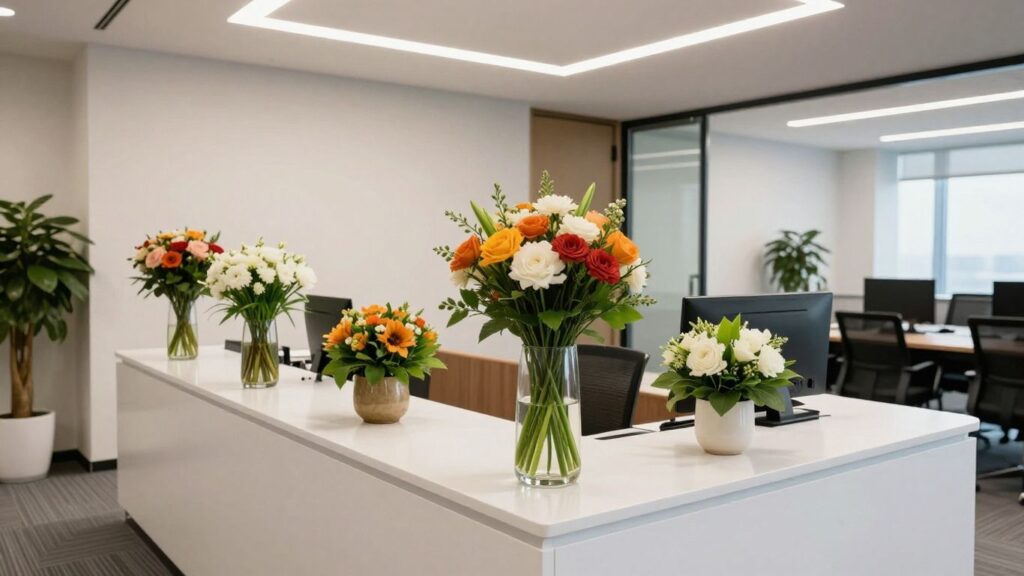
Floral arrangements provide a sophisticated touch that signals professionalism and attention to detail. By integrating natural elements into the workspace, a company can create a welcoming atmosphere that distinguishes it from sterile competitors. Utilizing Business card printing alongside floral displays can further reinforce a curated and consistent brand narrative for visiting clients.
Making a strong first impression on clients
When a client enters your office, the visual cues they receive immediately define their perception of your firm. A well-placed, high-quality arrangement at the reception desk serves as a focal point, indicating that the business prioritizes aesthetics and quality. It provides an instant point of conversation and helps to soften the formality of high-stakes corporate interactions.
Improving employee morale and productivity
Surrounding team members with nature has been linked to improved focus and decreased stress levels in office settings. Offices that actively invest in their indoor environments often see a shift in staff disposition, as the presence of living plants contributes to a more vibrant atmosphere. Similar to how businesses care for their team’s long-term wellness with solutions like The Black Gold Secret, prioritizing a lush office environment supports sustained engagement.
Enhancing brand identity through floral design
Floral displays serve as a silent ambassador for your company’s personality and values. By collaborating with designers to match your corporate color palette, you reinforce your market positioning in every interaction. Many forward-thinking companies utilize promotional tools like AI jingle videos to build their brand, and floral design functions as the physical manifestation of that same visual strategy.
- Improved client engagement through welcoming aesthetics.
- Increased staff satisfaction in daily office operations.
- Stronger alignment between interior decor and brand values.
- Enhanced reputation as a premium, detail-oriented organization.
Choosing the right florist in Altona
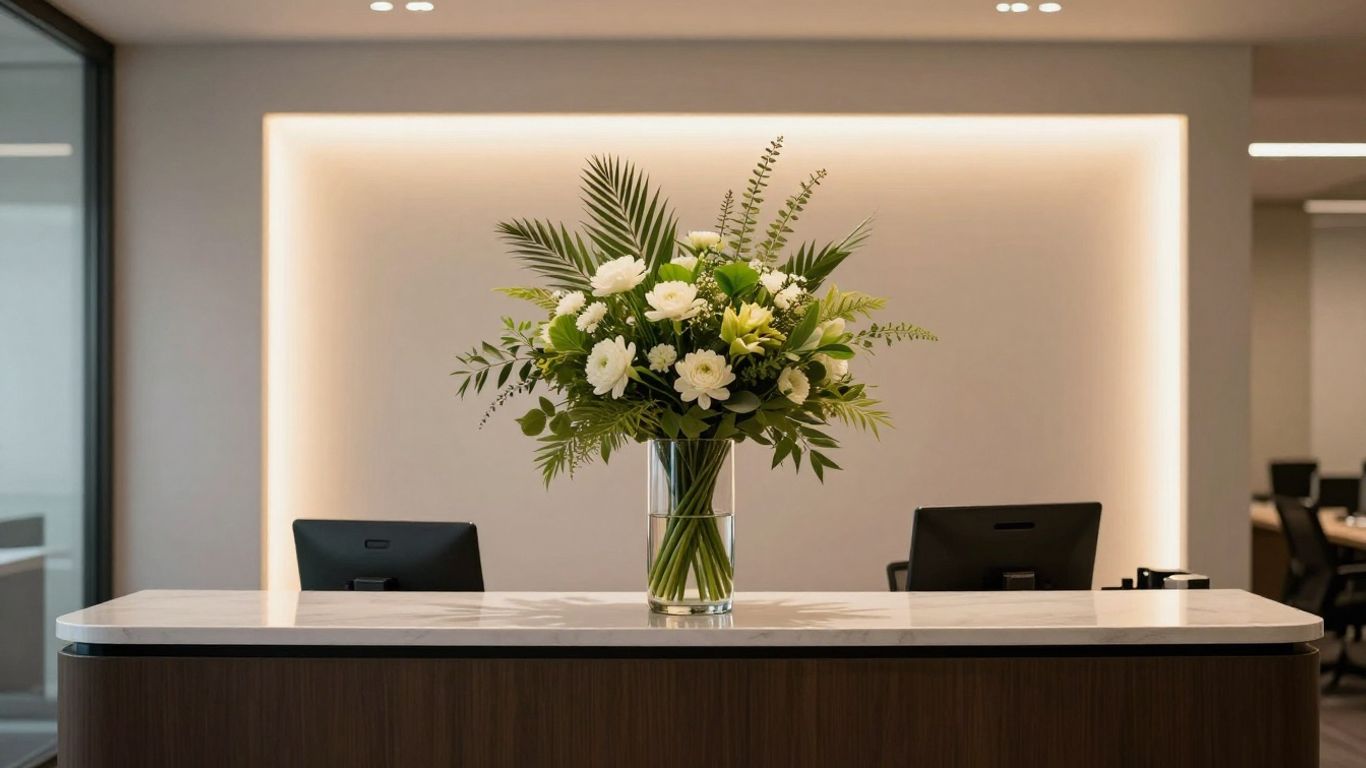
Finding a partner who understands the specific needs of corporate operations is essential for consistent results. You need a florist who reliability keeps up with high-volume requests and understands the unique timing constraints of a modern office schedule. Selecting a partner like James Cress Florist simplifies the process, ensuring consistent quality across every delivery.
Assessing reliability and delivery schedules
Consistency defines the difference between a successful floral program and a periodic afterthought. A reliable local florist will maintain a strict schedule that integrates seamlessly with your office hours, ensuring displays arrive fresh before your business operations commence each day. They must be able to handle recurring accounts without needing constant reminders or supervision.
Reviewing portfolios for corporate style
Not every floral shop is built for the corporate aesthetic, which often requires clean lines and structural designs rather than loose, garden-style bunches. Look for a portfolio that showcases sharp geometries and professional, minimalist arrangements suitable for modern conference rooms. A good corporate partner should demonstrate an understanding of balance and proportion that complements your existing architectural features.
Budgeting for recurring floral arrangements
Managing a long-term contract requires clear pricing structures that account for delivery frequency and flower sourcing. You want transparency regarding how seasonal factors affect your costs so that your finance department can plan appropriately. Establishing a fixed recurring budget allows you to maintain professional standards without risking unexpected financial fluctuations.
Selecting flower varieties for professional environments
Building a durable floral inventory requires understanding which botanical options thrive in indoor settings. It is often wise to favor hardy, long-lasting species that require minimal intervention, ensuring your investment remains visually appealing for longer periods. Establishing a balanced mix of colors and textures creates a sophisticated backdrop for any professional interaction.
| Flower Variety | Light Requirement | Longevity | Best Placement |
|---|---|---|---|
| Orchids | Indirect/Low | High | Reception |
| Anthurium | Medium | Very High | Office Desks |
| Chrysanthemums | Bright/Indirect | Medium | Meeting Room |
Low-maintenance options for busy offices
Busy offices rarely have the dedicated staff to tend to delicate or temperamental blooms throughout the workweek. Selecting high-performance flora like orchids or structural greenery reduces the burden on your team while maintaining a premium appearance. These varieties offer the benefit of looking pristine even if daily watering is slightly delayed.
Fragrance considerations in enclosed spaces
In confined or climate-controlled meeting areas, overwhelming scents can become a distraction rather than an enhancement. It is usually best to avoid heavily perfumed lilies or jasmine in shared breakout spaces where scent sensitivities among employees or clients might occur. Instead, prioritize clean, neutral floral profiles that offer visual beauty without interfering with the work environment.
Aligning aesthetic choices with company colors
Choosing monochromatic or complementary palettes ensures that your floral arrangements act as an extension of your company branding. Whether it is matching a specific shade from your logo or adopting a seasonal theme, these deliberate choices communicate a cohesive identity. Much like Online trading strategies depend on careful planning and alignment with market trends, your floral choices should be calculated to support your overall company message.
Maintaining high-quality office flowers
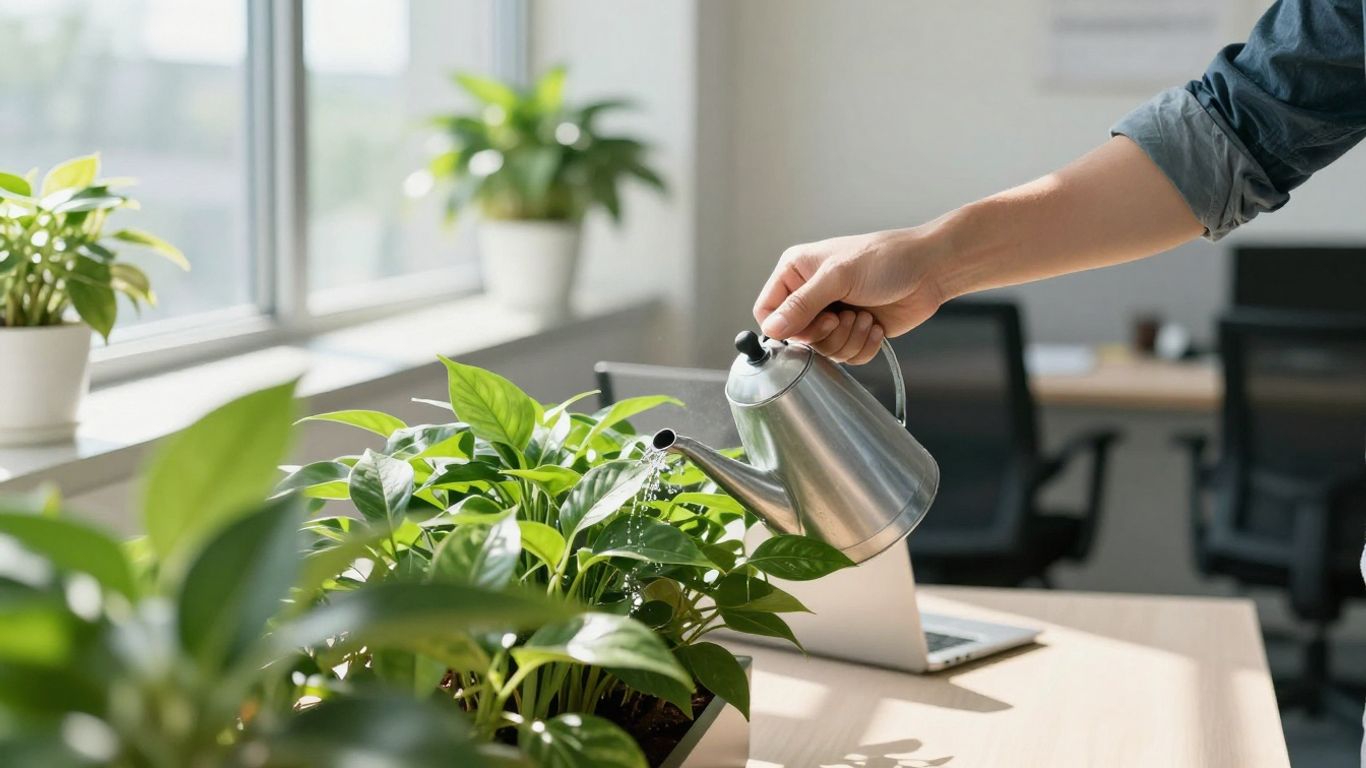
Maintaining a professional environment requires that all plants and flowers remain in optimal health. A wilted arrangement can subconsciously signify neglected standards, so setting up a dedicated care cadence is vital for long-term success. While some teams manage this in-house, many prefer using professional plant hire services to ensure total vitality.
Best practices for routine watering and care
Consistency sits at the core of all plant longevity in commercial spaces. Assigning one point person to check soil moisture and remove debris on a set schedule prevents the common traps of over-watering or neglect. When plants are kept in peak condition, they contribute to a healthier general office environment, much as Adventis Clinic helps patients maintain their long-term health and well-being.
Frequency of rotation and refreshing displays
Flowers should be rotated frequently enough that they never reach the browning or wilting stage. Refreshing your displays on a weekly or bi-weekly cycle ensures that your office atmosphere stays energized and fresh. A professional florist will handle this rotation automatically, bringing new, vibrant arrangements while taking away any materials that have reached the end of their peak bloom.
Handling common issues with office plants
Dust accumulation and lower light levels are the most common challenges for any corporate interior plant display. Regularly wiping leaves with a damp cloth prevents dust build-up and maintains the plant’s ability to photosynthesize effectively in indoor light. If a plant begins to decline, swapping it out immediately for a fresh specimen maintains the integrity of your professional presentation.
Optimizing flower placement in the workplace
Strategic placement elevates the value of your floral investment by ensuring maximum visibility. The goal is to place flowers where they serve as meaningful transition points for staff and visitors. A well-placed arrangement functions as a navigational cue, drawing the eye naturally through your space and into core working areas.
Impact of reception desks and greeting areas
Your reception desk is the most critical area for floral impact, as it establishes the tone for every visitor’s experience. Aim for arrangements that are scaled appropriately to the space, ensuring they are impressive but not obstructive to business conversations. A single, high-impact piece is far more effective than a collection of smaller items that clutter the work surface.
Using arrangements to define meeting and breakout spaces
Plants can act as effective visual dividers in open-plan offices, demarcating areas for focus and collaboration. By line-planting or groupings of taller greenery, you can create defined zones without obstructing sightlines or light. This use of nature provides a sensory buffer that makes open spaces feel more private and contemplative.
Balancing aesthetic placement with foot traffic
Avoid placing delicate displays in narrow hallways or entry paths where brushes with clothing or equipment are likely. Consider the utility of your space and prioritize placement on side tables or corner stands where the arrangement can be appreciated without hindering physical movement. Ensuring safe interaction between the flowers and the daily flow is key to preventing damage and maintenance headaches.
Sustainable corporate floristry practices
Environmental stewardship has become a key metric for modern businesses, and your floral choices can reflect those values. Working with florists who prioritize ethical practices contributes to a smaller carbon footprint while supporting the local agricultural industry. Incorporating sustainability into your office culture is a growing trend that resonates with both employees and clients.
Sourcing locally-grown flowers in the region
Buying from local growers reduces transport emissions and supports the regional economy. Local flowers often possess a higher degree of freshness compared to imported stems that have spent days in transit. Choosing native flora or locally-harvested species ensures that your displays are climate-appropriate and significantly more sustainable throughout the year.
Reducing packaging waste for high-volume orders
Minimize the environmental impact by asking your florist to utilize reusable containers rather than single-use plastic wrappings. High-volume orders present a unique opportunity to eliminate waste, as florists can switch to returnable ceramic or glass vessels. This commitment not only cuts down on landfill contributions but also creates a more refined, consistent appearance across your office decor.
Implementing eco-friendly disposal and composting policies
Once flowers pass their peak, they should not automatically end up in general office waste. Establishing an office composting policy for organic waste ensures that spent displays are repurposed as nutrients for new growth. Many business parks are now adopting collective composting schemes, which makes it easier for your team to participate in responsible waste management.
Conclusion
Elevating your workplace with corporate flowers in Altona is more than a simple aesthetic choice; it is an investment in your company culture and professional brand presentation. By thoughtfully selecting, placing, and maintaining natural arrangements, you create an environment that reflects the excellence of your business while supporting the daily morale of your team. Whether you choose to prioritize local sourcing or focus on low-maintenance architectural designs, staying intentional with your floral strategy ensures your office reflects the very best of your brand identity.
Frequently Asked Questions
How often should my corporate floral arrangements be refreshed?
Most corporate arrangements should be refreshed every seven to ten days to maintain a vibrant appearance. This rotation schedule ensures that old blooms are removed before they wilt, keeping your office looking consistently sharp for every client visit.
Can flowers help improve office air quality?
While flowers and plants have been shown to filter small amounts of pollutants, their primary benefit in the office is through sensory enjoyment and stress reduction. They contribute to a more pleasant psychological environment, which indirectly aids in overall employee performance and office comfort.
Are there specific flowers that are best for reception areas?
Orchids and Anthuriums are excellent for high-visibility reception areas due to their longevity and architectural beauty. These species handle indoor environmental conditions well and communicate a sense of stability and refinement appropriate for an entry space.
What should I do if a guest has flower allergies?
It is wise to prioritize non-fragrant or hypoallergenic varieties if your business frequently hosts guests with known sensitivities. Focusing on lush greenery or structurally interesting plants is a safer alternative to heavily perfumed blooms like lilies in enclosed meeting rooms.
Is it more cost-effective to buy flowers or use a professional service?
Professional services are usually more cost-effective in corporate settings when you factor in the labor time, consistent replacement, and high-quality floral materials. Managing your own arrangements often leads to hidden costs in staff time and increased waste from improper care.
Should our company logo be incorporated into the floral display?
While adding branding elements to flowers is unconventional, you can easily align the floral color palette with your brand identity for a subtle effect. Professional designers can select themes that echo your logo’s colors, reinforcing your message without needing literal logos inside the arrangement.
What are the most common mistakes in corporate floral setups?
Common pitfalls include choosing flowers with overwhelming fragrances, poor height proportion that blocks sightlines, and neglecting the care requirements that lead to premature wilting. Each of these can be avoided by partnering with an experienced local florist who understands the unique constraints of an office.